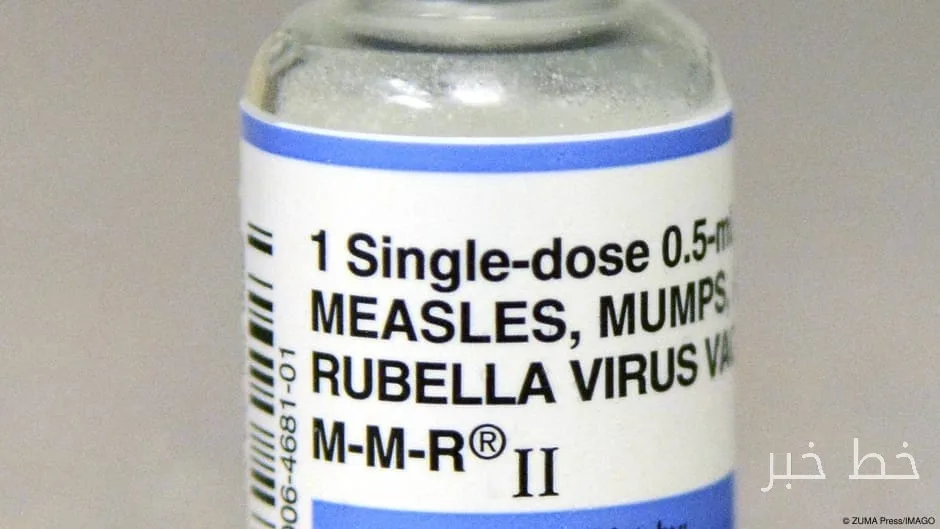
America has ended its measles-free status after 26 years. On November 17, 2026, the Pan American Health Organization announced that the United States and Mexico have lost their measles-free status. This situation is due to an increase in measles cases in the United States.
Brazil's Experience in Fighting Measles
Brazil lost its measles-free status in 2019, with over 21,000 measles cases. However, over the past five years, especially during the COVID-19 pandemic, the country managed to regain its measles-free status and has maintained it since 2024. In 2026, Brazil had only 70 measles cases, all linked to imported infections from abroad, mainly from Peru.
Read more: Greg Stanton Discusses Screen Time and Parenting Strategies
Brazil's Immediate Actions to Control Measles
Brazil responds quickly to suspected measles cases, and in this regard, the Pan American Health Organization has urged countries to react to these cases within 72 hours. Brazil has a program called "DIAS," where health workers visit homes and educational centers to identify sick individuals. Additionally, Brazil holds targeted and mass vaccination days called "DIAD."
In 2026, Brazil provided over 16 million doses of the measles vaccine and donated another 500,000 doses to Peru. However, only 76% of children received both required doses of the vaccine in 2025, which is below the 95% target and puts the country at risk.
The United States also had over 5,400 measles cases in 2026, more than double the number of cases in 2025 and about 19 times that of 2024. Most of those infected were either unvaccinated or had an unclear vaccination status.
In August 2026, when Donald Trump, the President of the United States, signed an executive order regarding new vaccination recommendations for children, experts warned that people had become complacent about vaccinations due to low infection rates. Currently, 92% of preschool children in the U.S. have received measles vaccines, a decrease from before, leaving about 280,000 children unprotected.
Different states in the U.S. allow parents to opt out of vaccinations for religious or personal reasons, which hinders achieving the 95% vaccination rate in some areas. In Texas, where the measles outbreak began in 2025, vaccination coverage had dropped to 77%.
To prevent measles outbreaks, a community needs at least 95% of individuals vaccinated or immune. Vaccination includes two doses of the MMR vaccine (measles, mumps, and rubella), and even after receiving two doses, there is only 97% protection against measles.
Experts emphasize that maintaining immunity levels in the community is crucial, and even a slight decrease in vaccination rates can lead to outbreaks.
Read more: Claire Mazumdar in New Role as Advisor and Vice Chair of Bikara · Heidi Overton Resigns as FDA Commissioner