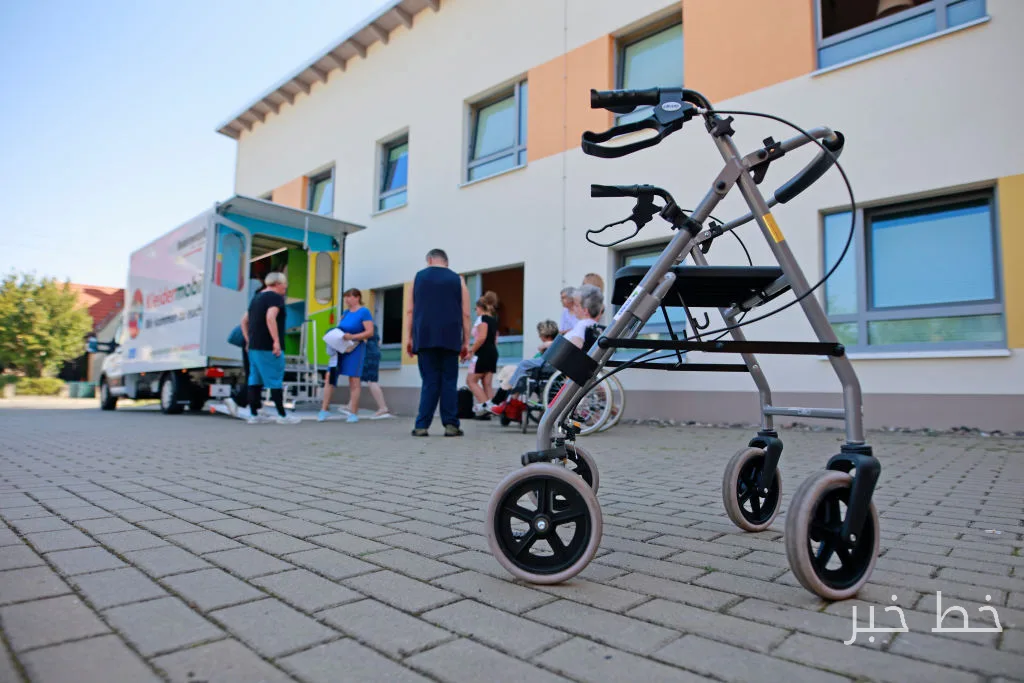
Cuba is recognized as the country with the highest percentage of elderly population in the Latin America and Caribbean region. According to government statistics, by 2025, 26.7% of the population will be aged 60 and over. This figure indicates significant changes in Cuba's demographic structure.
Demographic Changes in Cuba
Demographic changes in Cuba have occurred due to factors such as improvements in healthcare quality and increased life expectancy. In recent years, the Cuban government has made efforts to enhance its healthcare services, which has led to increased longevity and a decrease in mortality rates among the elderly.
Read more: The death of an employee in Russia challenged global health laws
Social and Economic Consequences
This increase in the percentage of the elderly population could have significant social and economic consequences for the country. The demand for healthcare and social services for the elderly will rise in the future, which could put additional pressure on the country's social and economic systems. Additionally, with a declining young population and an increasing number of elderly, challenges may arise in the labor force and social security.
In order to address these challenges, the Cuban government needs careful planning and new structures to provide better services for the elderly. Developing appropriate policies and programs to support this segment of society can help improve the quality of life and well-being of the elderly.
Read more: The Trump administration committed to resolving contaminated water lawsuits at Camp Lejeune · United States: Nicaragua, Cuba, and Venezuela have the worst performance in combating human trafficking