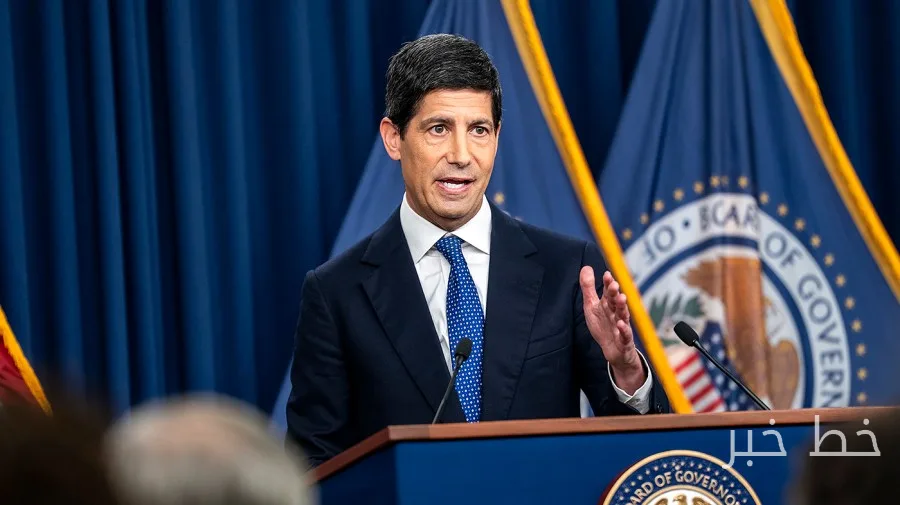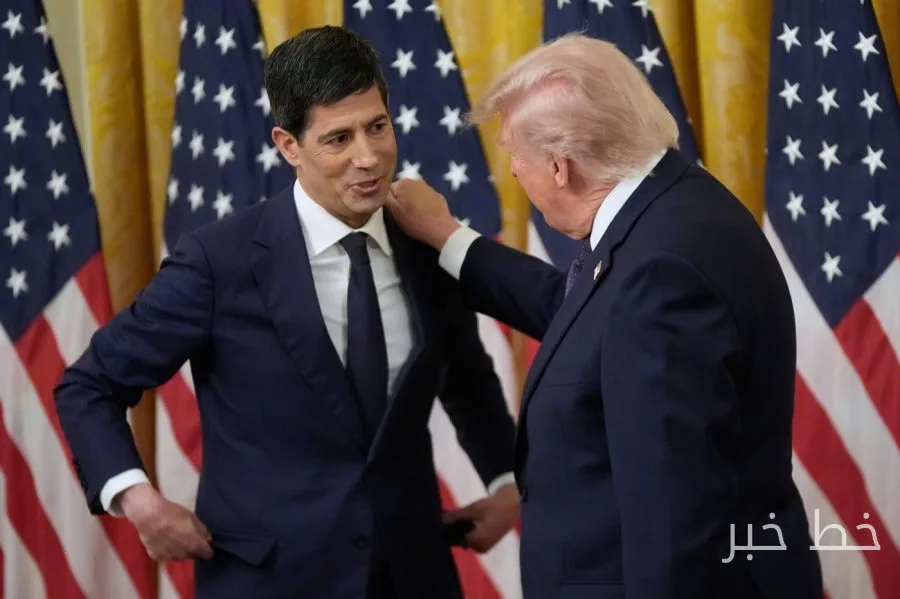
The Federal Reserve of the United States announced on Wednesday that it has increased the interest rate by 0.25 percent, bringing it to 4.0 percent. This rate hike is the first to occur in recent months and has generated significant reactions, especially from Donald Trump, the former President of the United States, who has repeatedly called for a reduction in interest rates.
Reasons for the Interest Rate Increase
The increase in interest rates is one of the main tools used by the Federal Reserve to control inflation and improve the economic situation. This action is aimed at reducing inflationary pressures and preventing excessive price increases in the market. However, this decision could have negative impacts on economic growth and the labor market.
Read more: The Digital Currency Regulation Bill Failed in the Senate
Reactions to the Federal Reserve's Decision
The Trump administration has strongly criticized this interest rate increase, deeming it contrary to the economic needs of the country. Trump has clearly stated that this increase could halt economic growth and harm workers. He has also emphasized the need to lower rates to stimulate investment and job creation.
This decision by the Federal Reserve comes at a time when signs of economic improvement are being observed in the United States, yet concerns about inflation and unemployment persist. Some analysts believe that this interest rate hike is a sign of a shift in the Federal Reserve's approach towards stricter economic policies.
Ultimately, the increase in interest rates could have widespread effects on financial markets, loans, and the cost of living. Analysts predict that this action may lead to a decrease in demand in the housing market and other sectors. Meanwhile, the Federal Reserve is expected to closely monitor the results of this decision and take further actions if necessary.
Read more: The Cost of War with Iran Approaches 40 Billion Dollars · Greg Stanton Under Pressure Ahead of Federal Reserve Meeting