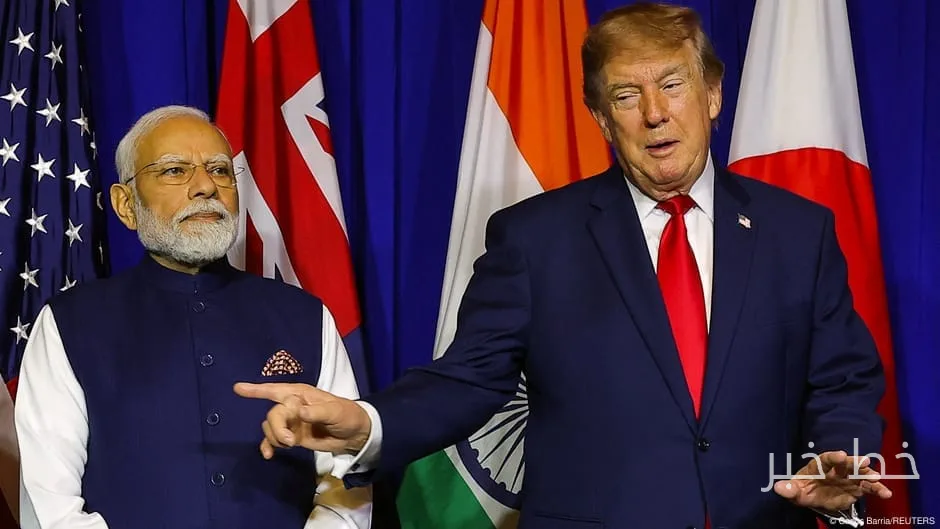
The Ministry of Commerce of India stated in a statement regarding the new US tariffs that it has asked Washington to resolve trade disputes and conclude negotiations on a new trade agreement.
Proposed US Tariffs
The ministry announced that it is committed to working closely with the US to achieve a "timely outcome" in this agreement. The United States has proposed a 25 percent tariff on imported goods from India, which would be reduced to 17 percent if a trade agreement is reached.
History of Negotiations
The governments of India and the US began negotiations for a bilateral trade agreement (BTA) last year. However, due to political tensions and global conflicts, these negotiations were delayed, and only this year have there been advancements. The two countries published a framework for a temporary trade agreement in February, under which India committed to "eliminating or reducing tariffs" on all industrial products and a range of food and agricultural goods from the United States.
However, negotiations for a final agreement were halted again due to the Supreme Court of the US overturning a large portion of Trump's global tariffs. In October, Nirmala Sitharaman, India's Finance Minister, referred to the state of negotiations as a "plateau" and stated that further progress may be very difficult.
In contrast, Marco Rubio, the US Secretary of State, said a few days later that New Delhi and Washington "are close enough to be able to operate without a signed agreement."
Tariff Concerns and India's Response
Following the new tariff threat from the US, India has emphasized that any trade concerns should be examined within the framework of the ongoing trade negotiations between the two countries. New Delhi's statement came after Washington announced a new wave of tariffs on 14 major trading partners, including India, claiming that these economies encourage excess industrial capacity.
According to the Office of the United States Trade Representative (USTR), new tariffs of 20 to 40 percent have been introduced to counter unfair foreign production, and these tariffs will require a period for public comments before implementation.
Read more: Gas prices have increased by 56 cents



