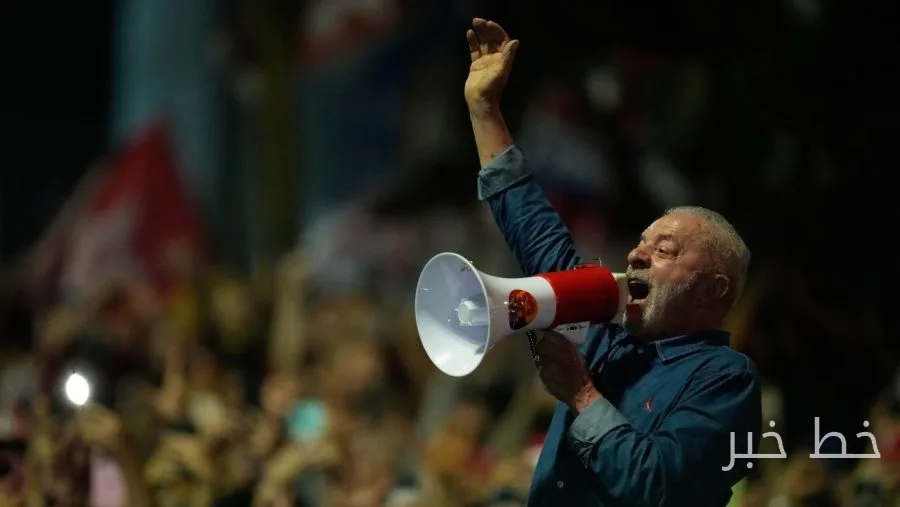
Luiz Inácio Lula da Silva, the President of Brazil, won a historic second round in the presidential election of this country and was elected to this position for the fourth time. He competed against Flávio Bolsonaro, the son of the former President of Brazil, Jair Bolsonaro.
Lula's Victory and Its Implications
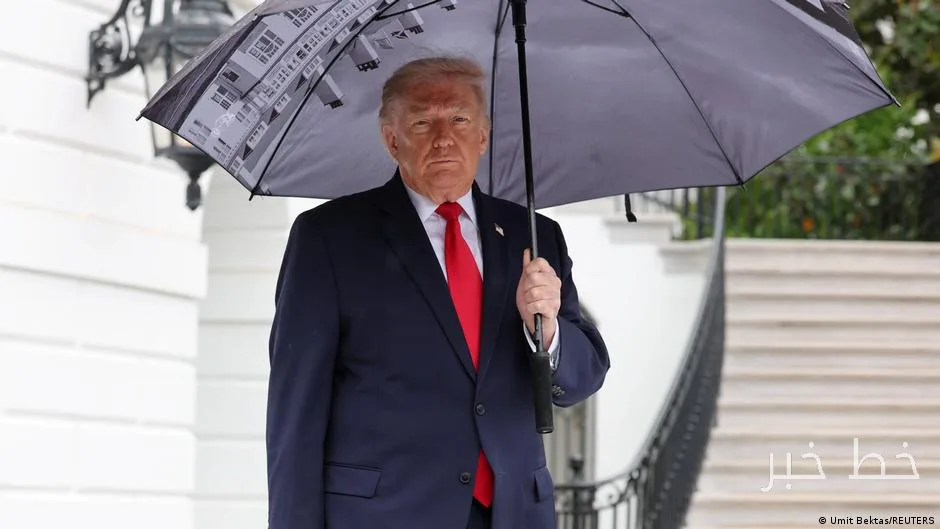
This victory for Lula, who is known as a staunch critic of Donald Trump, signifies his power and influence in the leftist politics of Latin America. Lula entered this election with slogans of social justice, environmental protection, and workers' rights, and was able to achieve victory by garnering widespread support from the people.
Read more: Maria Coriana Machado returned to Venezuela
Second Round Elections and Challenges
The second round of the elections was held on Sunday, and its results indicated a significant victory for Lula. With promises to reduce social inequalities and improve Brazil's economic situation, he was able to gain the trust of the people. This election also signifies major changes in Brazil's policies and a return to leftist approaches that had been severely restricted during Bolsonaro's term.
Lula's victory will have significant implications not only in Brazil but also regionally. He is recognized as one of the key leaders of the left in Latin America, and many analysts believe that this victory could help strengthen regional alliances and multilateral cooperation.
As Lula returns to the presidency, he still faces significant challenges. These challenges include economic issues, social inequalities, and environmental crises. He has emphasized the need for cooperation with other countries to address these challenges in his speeches.
Read more: Maria Coriana Machado, opposition leader, returned to Venezuela · Republicans are struggling in response to Democrats' attacks on Medicaid