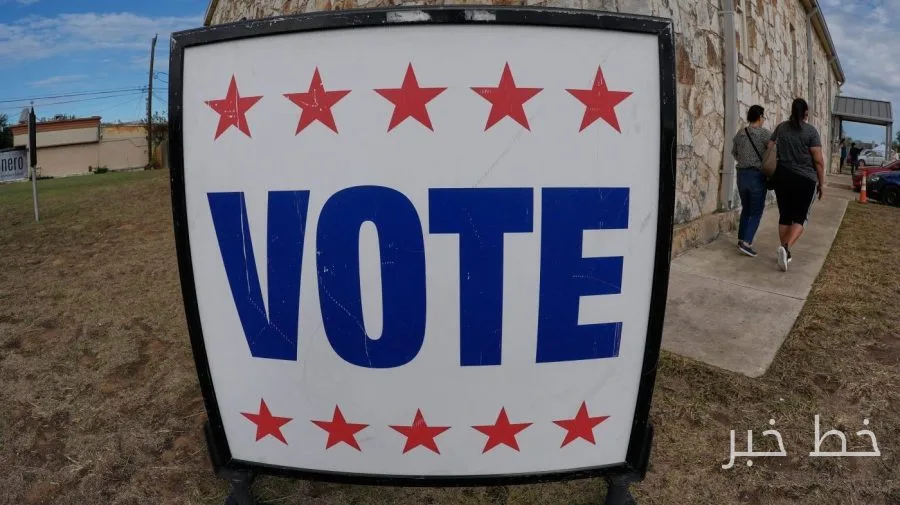
The redistricting wars in the 2026 midterm elections were one of the biggest events before the voting began. Republicans in several states revised their congressional maps to protect their officials from potential harm caused by President Trump's policies. These actions were specifically aimed at mitigating potential damage from criticisms of the administration's policies.
Republicans' Efforts to Strengthen Their Position
Republicans in key states like Texas and Florida, which are recognized as strategic areas, took steps to revise their electoral maps. These changes allowed them to retain more seats in Congress while avoiding the risk of losing seats. By using this redistricting, they aimed to reduce the potential negative impacts of their policies in the elections.
Democrats' Reaction and Challenges Ahead
In response, Democrats also quickly reacted and sought to respond to these changes. They were looking for similar changes in some states to strengthen their position in Congress. This intense competition between the two political parties is particularly felt in the midterm elections, where Democrats typically face more challenges.
As the 2026 midterm elections approach, this redistricting could have profound effects on the election outcomes. These changes not only affect the number of seats each party holds in Congress but could also impact the country's macro policies. Ultimately, the redistricting wars represent a serious and exhausting competition in the political landscape of the United States that will soon reach its peak.