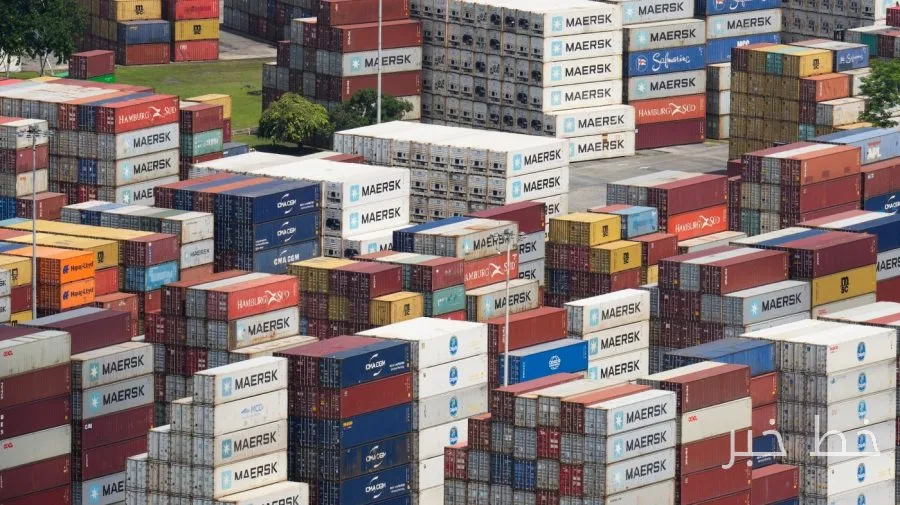
On Wednesday, the Trump administration proposed new tariffs on imports from more than twelve countries to strengthen domestic production and reduce reliance on imports. This action includes a 20 percent tariff on Chinese imports as well as import taxes on goods from 27 member countries of the European Union.
Details of the New Tariffs
According to a statement from the Office of the United States Trade Representative, these tariffs have been proposed in an effort to protect domestic industries and reduce the country's trade deficit. The new tariffs come in response to increasing trade tensions with China and the European Union. In particular, the 20 percent tariff on imported goods from China is seen as a reaction to that country's trade policies and economic behaviors.
Read more: Bulgaria Faces a €23 Million Fine from the European Union
Economic Consequences
The imposition of these tariffs could have widespread effects on global markets and the United States' trade relations with other countries. Economic experts warn that this action may lead to increased prices for American consumers, as domestic producers may pass their costs onto buyers. Additionally, these tariffs could provoke retaliation from targeted countries, including China and European nations, which may lead to a trade war.
At the same time, some analysts believe that these tariffs could help strengthen domestic industries and lead to job creation in certain sectors. However, concerns about the negative impacts of these policies on diplomatic and trade relations between the United States and other countries continue to persist.
Read more: The U.S. Sanctions 8 Iranians and 22 Companies Linked to Iran · Gavin Newsom to Trump: You're Not Against Mercy, You're Selling It



