Violent protests in the town of Daporijo in Arunachal Pradesh began due to the proposed hydroelectric power project. These protests occurred on October 23 and disrupted normal life in the town. Students and local groups held a 12-hour general strike to protest the 1,605 megawatt 'Mega Dam' project.
Reasons for the Protests
Protesters have demanded that officials permanently cancel this project. Protests against this dam in the northeastern mountainous state of India are escalating due to local concerns about mass displacement, loss of ancestral lands, environmental damage, and increasing seismic risks. This situation is particularly felt among the residents of the Taliha village and other surrounding areas, where protesters held their demonstrations peacefully and blocked some bridges.
Escalation of Tensions and Violence
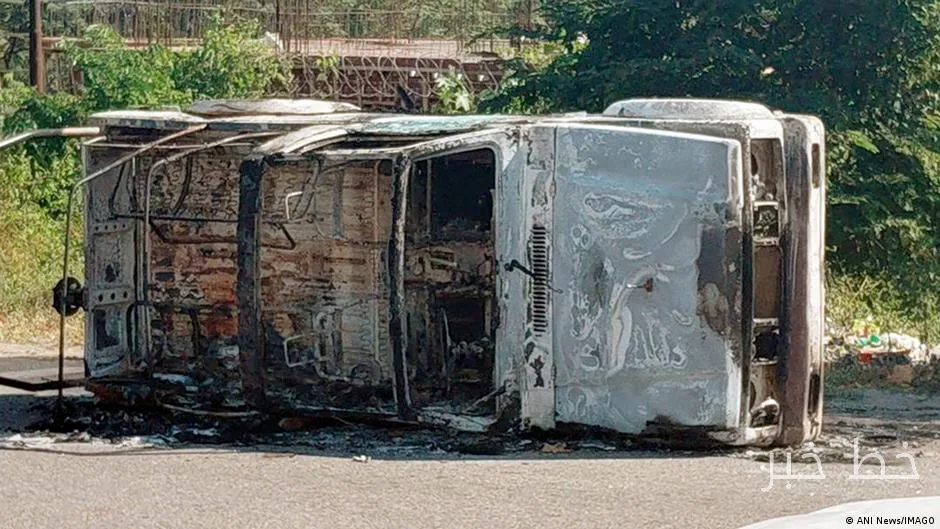
During the strike, tensions escalated and led to violence. Reports indicate that a police vehicle was damaged and a police officer was injured. Additionally, strike supporters vandalized an office belonging to the National Hydroelectric Power Corporation, a prominent company in this field, and set office equipment on fire. Local police held a flag march to restore calm in the area and urged people to adhere to peace and tranquility.
Related protests and violence were also witnessed on October 23 in Pasighat, where police fired tear gas at young protesters opposing the larger 'Siyang Multipurpose Project.' This 11,000 megawatt project is as controversial as the Mega Dam, and protesters at that time were also accused of setting buildings and vehicles on fire, leading to the arrest of dozens of demonstrators.
Arunachal Pradesh has recently witnessed new protests reflecting deep local dissatisfaction with large infrastructure projects in the region. While officials continue to pursue these projects, residents warn of the ongoing situation and the associated dangers.