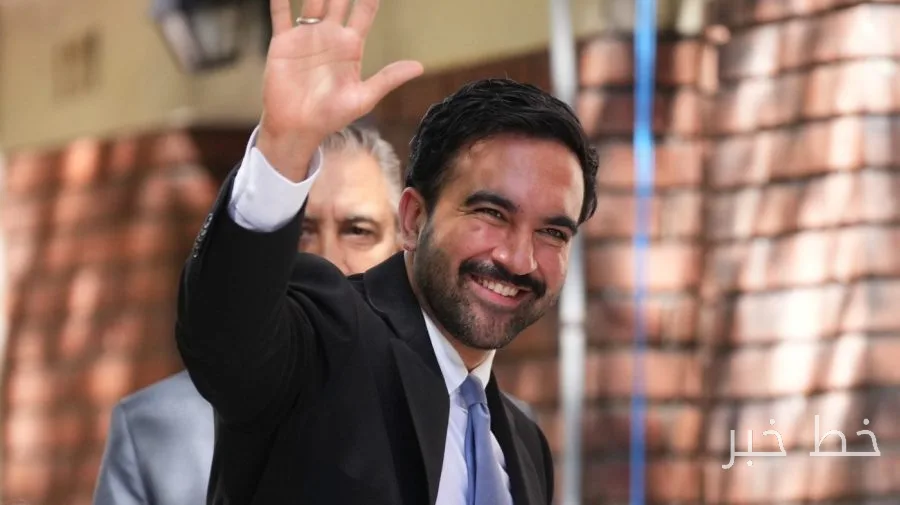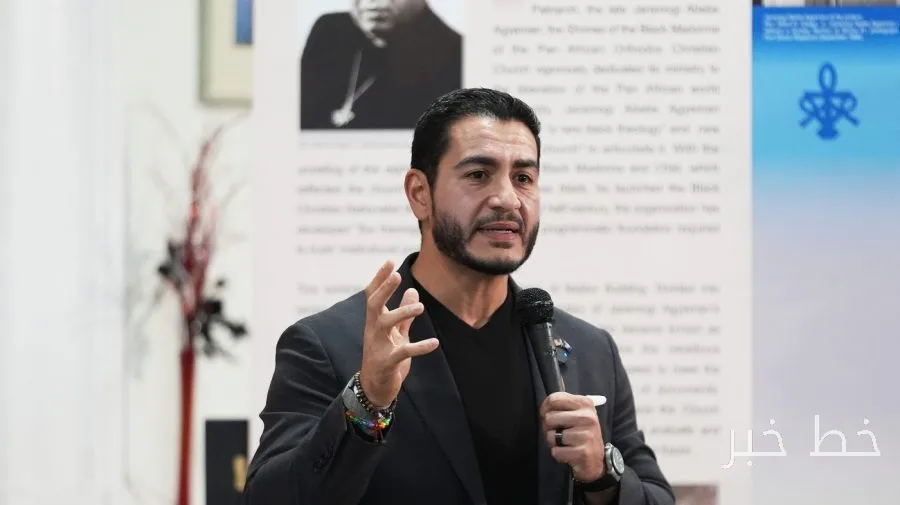
Abdul Al-Sayed, a Democratic Senate candidate from Michigan, reacted to a question about the Muslim Brotherhood at a campaign event in Michigan. The question asked him whether he distances himself from this group or not. Al-Sayed answered affirmatively while also criticizing the content of the question.
Abdul Al-Sayed's Response to Controversial Questions
At this event held on Saturday, one attendee asked Al-Sayed whether he intends to reject the Muslim Brotherhood. Abdul Al-Sayed responded, "Of course. Yes, definitely," and then, surprised by the questioner, asked, "Why are you asking this question?" This response from Al-Sayed reflects his dissatisfaction with the themes present in some questions regarding religious and political identities.
Political and Social Contexts
Al-Sayed's reaction to this question not only reflects his personal positions but also highlights the political and social challenges that political candidates typically face. These issues become particularly significant in U.S. states with diverse demographic compositions. As a Muslim figure in the political arena, Al-Sayed understands that any comments or responses to questions about Muslims and Islamic groups can have serious repercussions.
Al-Sayed's criticism of the themes raised in such questions can be seen as an effort to change prevailing narratives and combat negative stereotypes about Muslims. As a Democratic candidate, he also pointed out that these types of questions harm not only him but the Muslim community as a whole.
Potential Consequences
Such reactions and criticisms can significantly impact the electoral campaign process and public opinion about candidates. In today's world, where media and social networks play an important role, every comment may be subject to analysis and scrutiny. Therefore, Al-Sayed must carefully consider how to respond to political and social questions.
Ultimately, the fact that questions about the Muslim Brotherhood can easily turn into sensitive and controversial topics highlights the challenges present in modern politics. By criticizing such questions, Al-Sayed seeks to change attitudes and raise awareness about social issues.