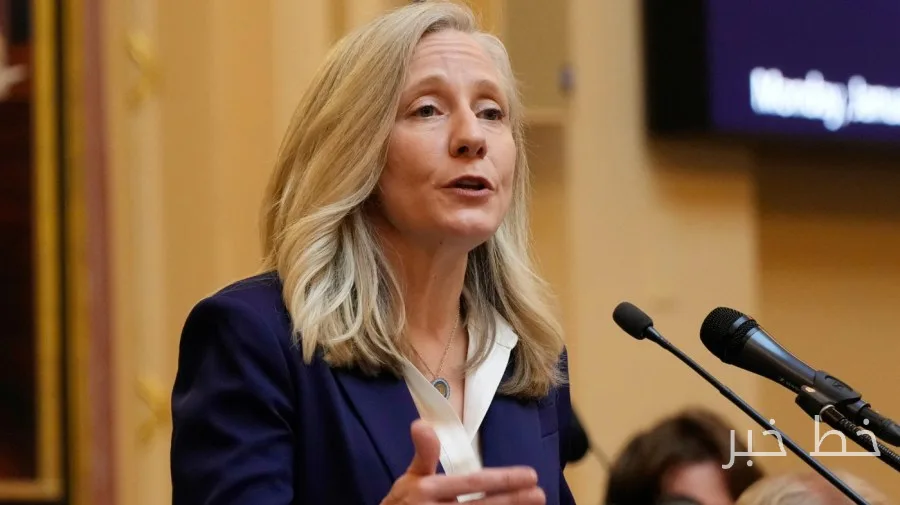
Abigail Spanberger, the Governor of Virginia, introduced a new plan on Friday to limit the development of data centers in the state. This plan, known as the "Data Center Accountability Framework," sets multiple goals for the state's approach to these projects. Among these goals are the reduction of noise pollution and water consumption related to data center projects, as well as promoting clean energy.
Details of the New Framework
The Data Center Accountability Framework includes several specific measures aimed at minimizing the negative impacts of these centers on the environment and community. Spanberger explained that this plan seeks to create a balance between the need for technology and the preservation of citizens' quality of life. The governor also pointed to the need for increased oversight of new projects to ensure that the development of data centers complies with environmental and social standards.
Environmental and Social Impacts
The development of data centers has always faced criticism due to high energy and resource consumption. These centers typically require a lot of water and energy and can lead to environmental pollution. In light of this issue, Spanberger emphasized that this new framework aims to reduce these impacts. She added that increasing the use of renewable energy in these centers is one of the main priorities of the plan.
The Governor of Virginia also highlighted the importance of transparency and collaboration with the local community. She believes that this plan can help create a balanced and sustainable approach to data center development while also addressing the economic and social needs of the people.
This plan specifically focuses on new projects and seems aimed at preventing unchecked and unplanned development of these centers in the future. Spanberger also mentioned the necessity of reevaluating existing projects in light of the new criteria.
Economic Implications
Despite the new restrictions and oversight, Spanberger pointed out that this plan could also help attract new investments in clean and sustainable technologies. She hopes that this approach will not only reduce negative impacts but also create new job and economic opportunities for citizens.
Given these developments, this plan is expected to serve as a model for other states as well. Especially in an era where climate change and the need for sustainable development are increasingly felt, Spanberger's plan could become a benchmark in resource management and the development of innovative technologies.