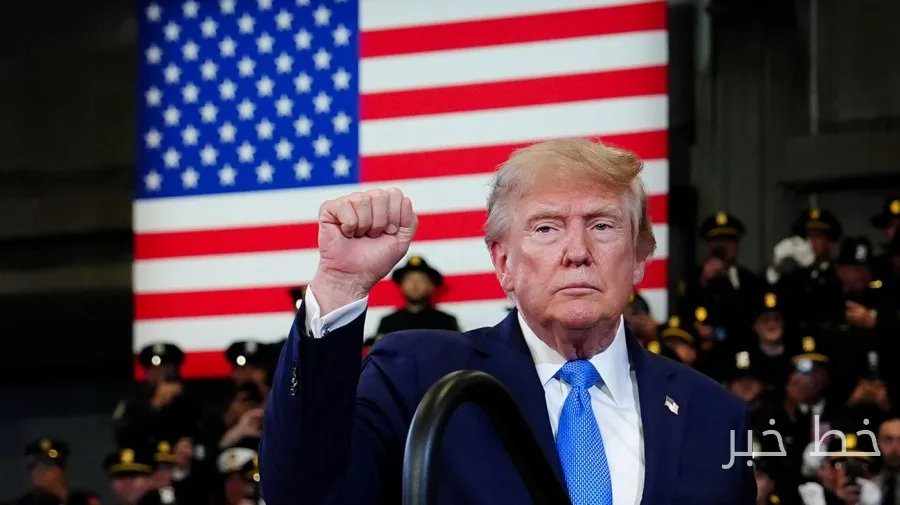
The absolute victory of America over Iran in various political and military arenas comes with high costs. These victories may seem successful in the short term, but in the long run, the resulting costs could pose a serious challenge to the domestic and foreign policies of the United States.
Sunk Cost Fallacy
The sunk cost fallacy refers to the concept that decision-makers may continue down an inappropriate path due to previous costs incurred. In the case of America and Iran, this issue could lead to the formation of policies that continue based on past outcomes and incurred costs. This could result in poor decision-making that not only threatens national interests but also creates social and political discontent.
Read more: Increase in Democratic Votes in Alaska and Mississippi
Long-term Consequences for Foreign Policies
America's military and political victories against Iran may strengthen its position in the global arena in the short term, but in the long run, they could lead to instability in the region and increased tensions. On one hand, these victories could help bolster the domestic position of the U.S. government, but on the other hand, they may lead to increased domestic and foreign criticism of the country's policies.
These challenges could, in turn, affect future decision-making at the White House. In fact, the need for a thorough and fair assessment of the costs and benefits of past actions could help policymakers avoid repeating past mistakes.
Overall, the absolute victory of America over Iran comes with costs that must be carefully examined. These costs are not only financial but also political and social, and they could have unpredictable consequences for the future of this country's policies.
Read more: Marjorie Taylor Greene Calls for Impeachment of Peter Hegseth · Witkoff and Kushner Marginalized in Abu Dhabi