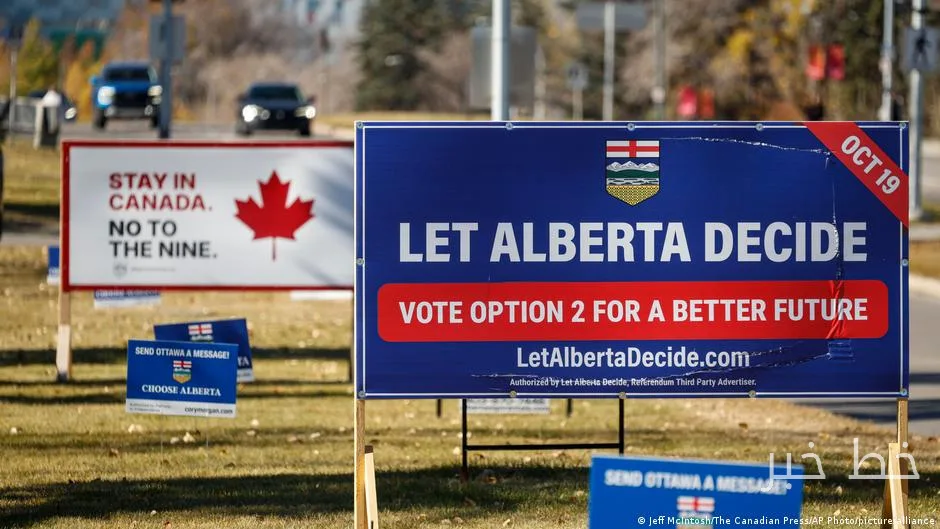
The province of Alberta in Canada responded negatively to the proposal for separation from Canada by a decisive majority. Official results show that over 76% of voters chose to remain in Canada. This non-binding vote posed the question to Alberta residents of whether they wanted to stay in Canada or initiate the necessary legal steps to hold a binding separation referendum.
Details of the Vote and Its Consequences
This vote is the first separatist movement outside of Quebec, where past independence movements arose due to linguistic and cultural differences. In Alberta, the separation campaign is primarily related to economic grievances. This oil-rich province is nearly twice the size of Germany in terms of area but has a much smaller population of about 5 million. Almost half of this population lives in the two major cities of the province, Edmonton and Calgary.
Read more: The search team of archaeologists for Amelia Earhart's plane ended in failure
Political and Social Implications
The outcome of this vote is a significant setback for separatist groups and their supporters, but it is a necessary victory for Prime Minister Mark Carney, who is trying to keep the country united amid the ongoing trade war with the United States. This vote took place at a particularly sensitive time when trade tensions with the United States are rising, and its result could have a profound impact on Canada's economic and social policies.
As this is an evolving story, more information about the implications of this vote may be released in the future. For Alberta residents, this vote is seen not only as an opportunity to express their views on the economic situation but also as a major test for national unity in Canada.
Read more: Ukraine's attacks on data centers in Russia disrupted daily life · Live broadcast: Special program 'Morning Session' about the midterm elections