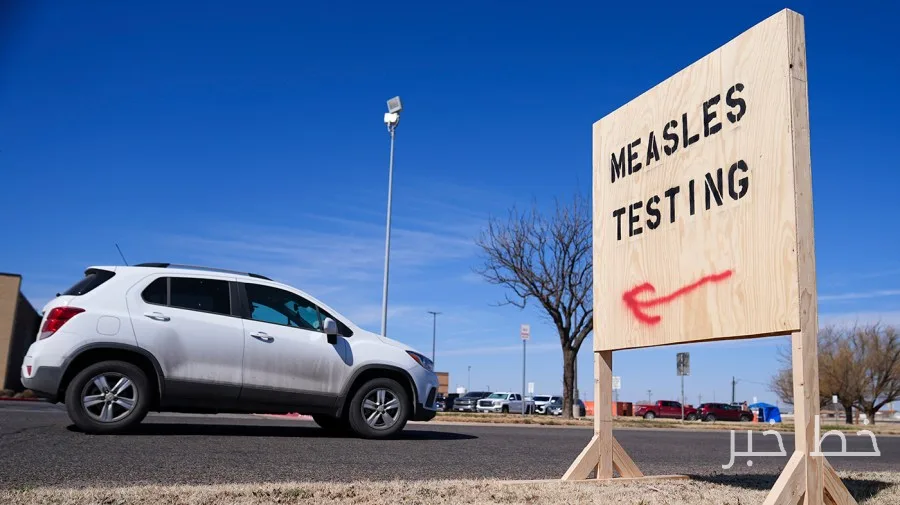
America has been recognized as a measles endemic country, as the Pan American Health Organization (PAHO) announced on Tuesday that it has revoked the measles elimination status of the United States. This decision marks the end of more than two decades of public health achievements that were considered one of the greatest successes in disease control.
Background of Measles Status in America
In 2000, America was declared a country that had successfully eliminated measles. This success was the result of extensive vaccination efforts and awareness campaigns about infectious diseases. However, in recent years, measles cases in the United States have increased for various reasons, including declining vaccination rates and the spread of misinformation about vaccines.
Factors Influencing the Revocation of Measles Elimination Status
In recent years, the United States has seen a significant increase in measles cases. This increase is particularly observed among unvaccinated communities and individuals who refuse vaccination. According to PAHO, this situation represents serious public health challenges and requires a comprehensive approach to address it.
The change in the status of the United States as a measles endemic country has wide-ranging implications for public health in the country. This issue could lead to increased concerns about the spread of infectious diseases and the necessity to strengthen vaccination programs. Additionally, this situation could impact health policies and decisions related to funding vaccination programs.
However, public health experts emphasize that vaccination remains one of the most effective methods for preventing disease outbreaks. They believe that more efforts should be made to raise public awareness about the importance of vaccination and herd immunity.