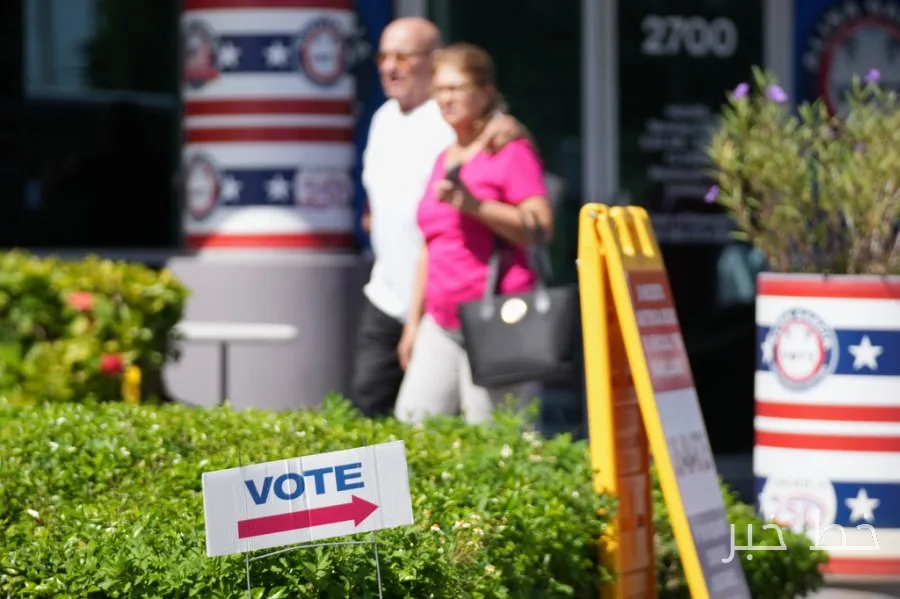
The author, referring to the current trend of electoral surveys, emphasizes that these surveys can provide immediate insights into electoral margins, but to better understand the motivations and desires of voters, there is a need for deeper processing and analysis of the data.
Importance of Deep Data
Modern surveys are used as tools to predict electoral outcomes, but they have specific limitations. Simply looking at numbers and statistics cannot encompass all dimensions of public opinion. The author states that deep data analysis can help media and analysts understand what factors shape voters' opinions. These analyses can aid in clarifying policies and electoral programs.
Read more: Prohibition of Wearing and Bringing Political Clothing at Polling Places in Some States
Challenges in Data Analysis
Analyzing survey data is not simply about collecting information. Attention must be paid to data sources, collection methods, and variables affecting the results. The author points out challenges such as bias in data collection and social changes that can influence voters' opinions. These challenges highlight the need for a precise and analytical approach to better understand electoral behavior.
Ultimately, the author concludes that while modern surveys can provide useful information, analysts and journalists must pay attention to deep and contextual data to achieve a better understanding of voters' desires and needs. This not only helps improve the quality of reports but can also lead to a better explanation of policies and electoral programs.
Read more: Hojjatoleslam Shahrokhi Considered Every Diplomacy and Negotiation Based on Iran's Seven Conditions · Trump Speaks Virtually in 19 States