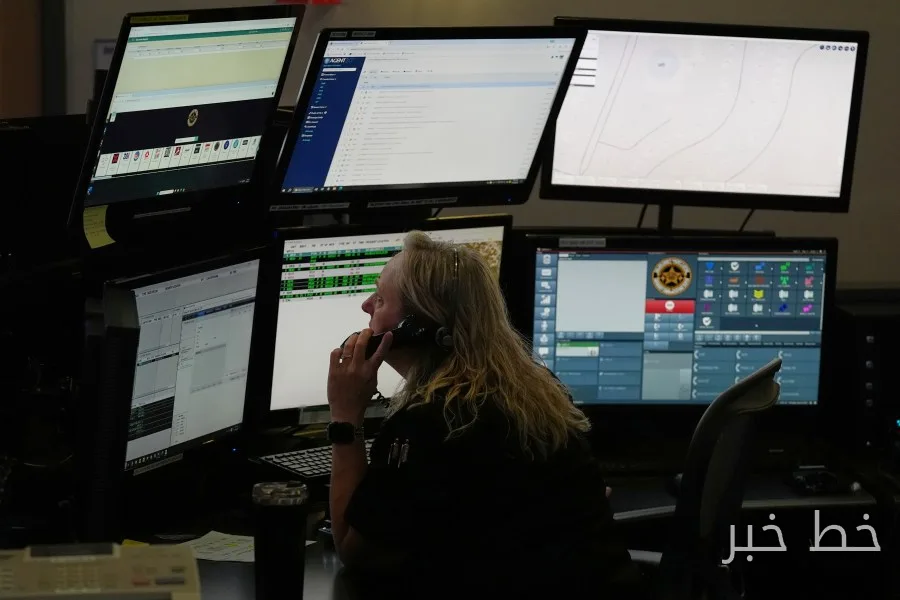
Artificial Intelligence (AI) is increasingly improving emergency service systems in the United States. This technology can enhance response times and the accuracy of information, but the ultimate responsibility still lies with trained 911 professionals. Despite technological advancements, humans must play a role in the decision-making process and final control.
The Role of Artificial Intelligence in Emergency Services
AI can assist emergency service teams in providing the best response by rapidly processing data and analyzing critical situations. These systems are capable of collecting and analyzing real-time information from various sources, which can help reduce wait times and improve service quality. For example, AI can help identify traffic patterns and predict service needs during peak times.
Read more: Predictions About the Future of the AI Market with Anthropic's IPO
Maintaining Human Responsibility in Decision-Making
Although AI can help improve the efficiency and speed of emergency services, the ultimate responsibility must rest with humans. Trained 911 professionals have a deep understanding of critical situations and can make more accurate decisions that benefit public safety. It is important to note that while AI can serve as an assistive tool, it cannot replace human judgment and experience.
Ultimately, the integration of AI into emergency service systems can help improve efficiency and responsiveness, but the need for human oversight and control remains essential. This balance can lead to the creation of a stronger and more efficient emergency service system, which will benefit all citizens.
Read more: Examining the Necessity of Supporting Elon Musk for Survival in Space · Air Space Intelligence Company Denies Connection to Nationwide Flight Cessation