Artificial Intelligence (AI) could potentially assist in the development of biological weapons. This topic may seem like science fiction, but experts, security services, and international organizations are examining how to address this scenario.
Analysis and Modification of Pathogens
Pathogens can be analyzed and modified with greater precision thanks to ongoing advancements in biotechnology. Meanwhile, AI is capable of evaluating vast amounts of data at astonishing speeds. For this reason, experts warn that in the long term, modern technologies may be misused for the development of biological weapons.
Read more: Vice President Vance Tests 2028 Campaign Message
Security services are deeply concerned. In October 2026, Ken McCallum, head of the UK’s domestic security service (MI5), warned that AI could increase the risks posed by existing or new biological weapons, especially from non-state actors.
Research and Its Challenges
A report from an American company called Anthropic in September 2026 emphasizes the urgency of this discussion. The company stated that it identified and blocked several attempts to use its AI assistant, Cloud, in connection with biological weapons research. These attempts included financial requests for research known as "enhancement" as well as projects to study avian influenza variants that could easily be transmitted to mammals.
Anthropic also emphasized that while this research could have military applications, it could also relate to medical prevention. The difficulty in distinguishing between legitimate science and potential abuses is one of the biggest challenges in controlling modern biotechnologies.
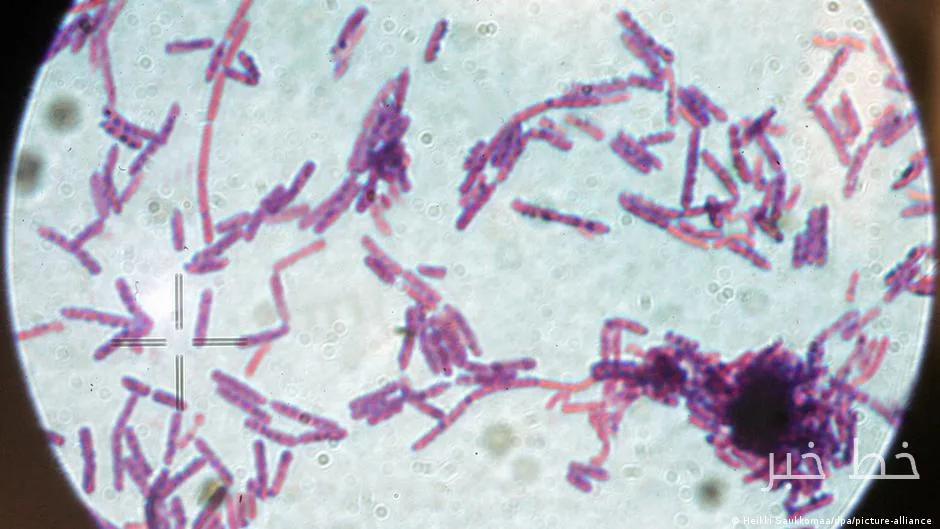
Concerns about biological weapons are not new. Many pathogens—bacteria, viruses, fungi, and some biotoxins—have weaponization potential. Known diseases include plague, smallpox, and botulinum toxin, but anthrax is one of the most notorious biological agents. Its resilient spores can survive in the environment for long periods and have also been the subject of government biological weapons programs.
Definitions and International Laws
The World Health Organization (WHO) and the United Nations Office for Disarmament define a biological weapon as the intentional release of such biological materials to harm people, animals, or plants. A biological weapon typically consists of two components: the biological material itself and a system for delivering it. Experts refer to these as the "agent" (such as a virus or bacterium) and the "delivery mechanism."
Biological weapons fall under the category of weapons of mass destruction (WMD), alongside nuclear and chemical weapons. They are generally classified as weapons of mass destruction. Biological and chemical weapons differ in their mechanisms; chemical weapons harm through the toxic effects of chemicals and typically take effect within minutes or even seconds, while biological weapons cause infectious diseases.
Biological weapons are prohibited under international law. The first Biological Weapons Convention came into force in 1975. This convention prohibits the development, storage, acquisition, retention, production, and transfer of biological and toxin weapons.
Despite the fact that chemical weapons are also internationally banned, their control is considered much more advanced. There is still no similar system for controlling biological weapons. Various countries refrain from controlling their biological weapons for fear that inspections may reveal sensitive research data.
It is important to note that the emergence of biological weapons is not easily identifiable. Many technologies that can be used to develop biological weapons also have civilian applications.