Asail Bishi, a young Saudi rapper, is recognized as one of the rising stars of hip-hop music in his country. He recently signed a contract with the largest recording company in Saudi Arabia, MDLBEAST, and has already garnered hundreds of thousands of views on music platforms like Spotify. However, his story is not limited to his recent successes.
Initial Challenges and Reactions
In 2020, after the release of his music video titled "Bint Makkah," in which people were dancing in a local café, the governor of Makkah called for the arrest of the production team behind the video. He claimed that the video contradicted the local customs of the holy city of Makkah. Ultimately, the situation was resolved through discussions about filming permits.
Development of the Music Industry in Saudi Arabia
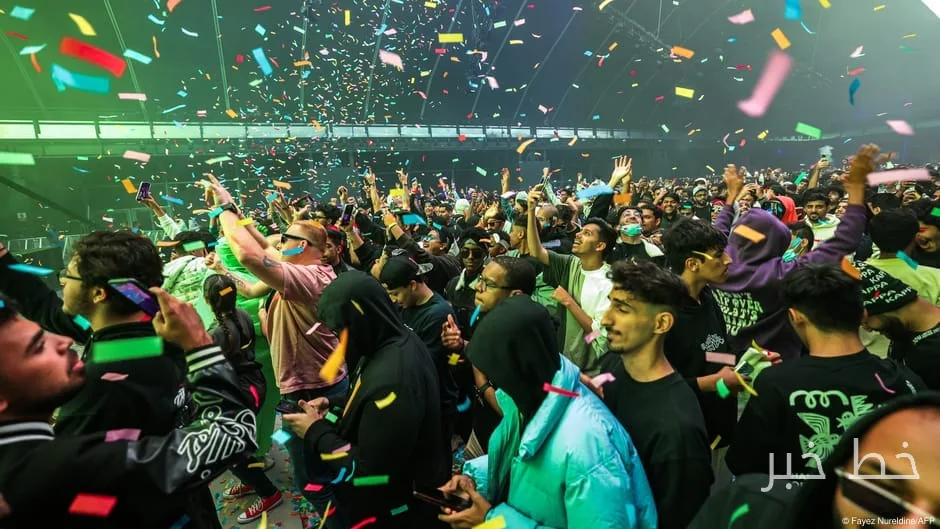
Saudi Arabia has invested billions of dollars in the local music industry under the "Vision 2030" program announced by Mohammed bin Salman in 2016. In 2019, the country held its first major festival, Soundstorm, which now hosts international artists and over 400,000 guests. MDLBEAST, which initially emerged as the organizer of this festival, has now transformed into a music recording company, radio station, and talent incubator.
According to a recent report from the Saudi Music Commission, the value of this sector could reach $500 million by 2034. However, independent oversight of this industry has only just begun, and accurate results regarding the current state of music in Saudi Arabia are not available.
The music platform Spotify has reported that the number of people listening to music produced in Saudi Arabia has increased by 195% between 2020 and 2024. However, local famous artists remain less recognized compared to international artists.
According to some researchers, the growth of the music industry in Saudi Arabia has not been organic and natural, but rather shaped under government oversight and support. These changes indicate a degree of new concentration and new customer-centric networks around the crown prince of the country.
Observations indicate that new artists operate more under government supervision and must avoid criticizing officials and religion to maintain their jobs and contracts. This situation gives artists less freedom to express their opinions and may have serious consequences for them.
Read more: Gene Simmons warns about artificial intelligence in the music industry