Asim Munir, the Chief of Army Staff of Pakistan, has traveled to Tehran to attempt to revive negotiations between Iran and the U.S. during a sensitive time. This visit occurs while the prospect of ending the war between Iran and the U.S. remains uncertain, and political and military pressures are increasing.
Importance of Asim Munir's Visit
Asim Munir's meetings with senior Iranian officials and Tehran's emphasis on the need for confidence-building and the implementation of previous U.S. commitments indicate that the diplomatic path is still open. However, overcoming the current deadlock requires practical decisions and credible guarantees. This visit also comes at a time when speculation about the resumption of hostilities and the proximity of elections in the U.S. and Israel has increased.
Read more: Generational change is occurring in the U.S. Congress
Analysis of the Political Situation in the U.S. and Israel
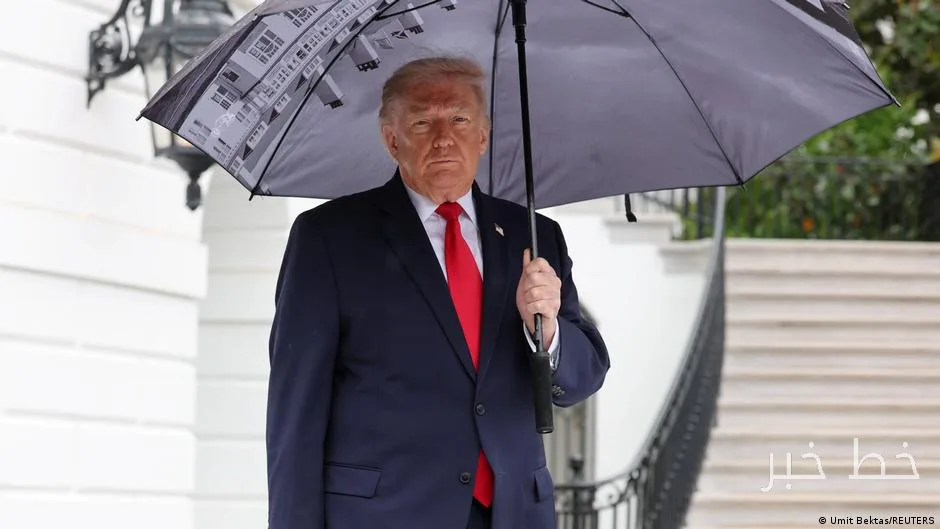
Professor Frank von Hippel, former director of the Office of Science and Technology at the White House, stated that President Trump is trying to divert attention from the war with Iran before the elections, as this war is unpopular among voters and reduces the chances of Republicans in the elections. Additionally, the results of the Israeli elections, which will be held on October 27, will also influence the future U.S. approach to Iran.
Tariq Raouf, former head of the political security and transparency section of the International Atomic Energy Agency, also told Tabnak that Iran has proposed returning to the Islamabad agreement. He emphasized that Iran's return to cooperation with the International Atomic Energy Agency will only be possible after the lifting of all sanctions and the withdrawal of U.S. forces from the region.
Likelihood of Escalation of Hostilities
Tariq Raouf also noted that if the U.S. resumes its attacks on Iran, Iran will retaliate, and no other country in the Persian Gulf will be able to export oil. He pointed to Iran's deep frustration and anger over the lack of clear decision-making in the U.S. and stated that Tehran does not know who is qualified to make decisions in that country.
Raouf also mentioned Oman’s role in mediation, stating that this country no longer plays a role in this regard. He clarified that Qatar and Pakistan are recognized as trusted mediators but lack sufficient influence to impact Washington. He also referred to Prime Minister Benjamin Netanyahu's secret trip to Abu Dhabi, where security guarantees were proposed.
Iran's Readiness to Resist
The head of disarmament, arms control, and non-proliferation at the Stockholm International Peace Research Institute discussed Iran's defensive situation, stating that the country is prepared to endure heavy blows but will not surrender. He referred to reports indicating that the U.S. Central Command is preparing for heavy attacks on Iran, which will likely include the 15-ton bomb known as the "mother of all bombs."
Ultimately, Raouf emphasized that Iran is determined to defend itself, and currently, the situation remains unclear and confusing. He pointed out that Iran's history shows that the country has been resilient in the face of challenges, and historical messages should be considered in current decision-making.
Read more: Trump's diesel project disrupted the progress of peace between Ukraine and Russia · Fake polls have had profound impacts on the political world before the midterm elections