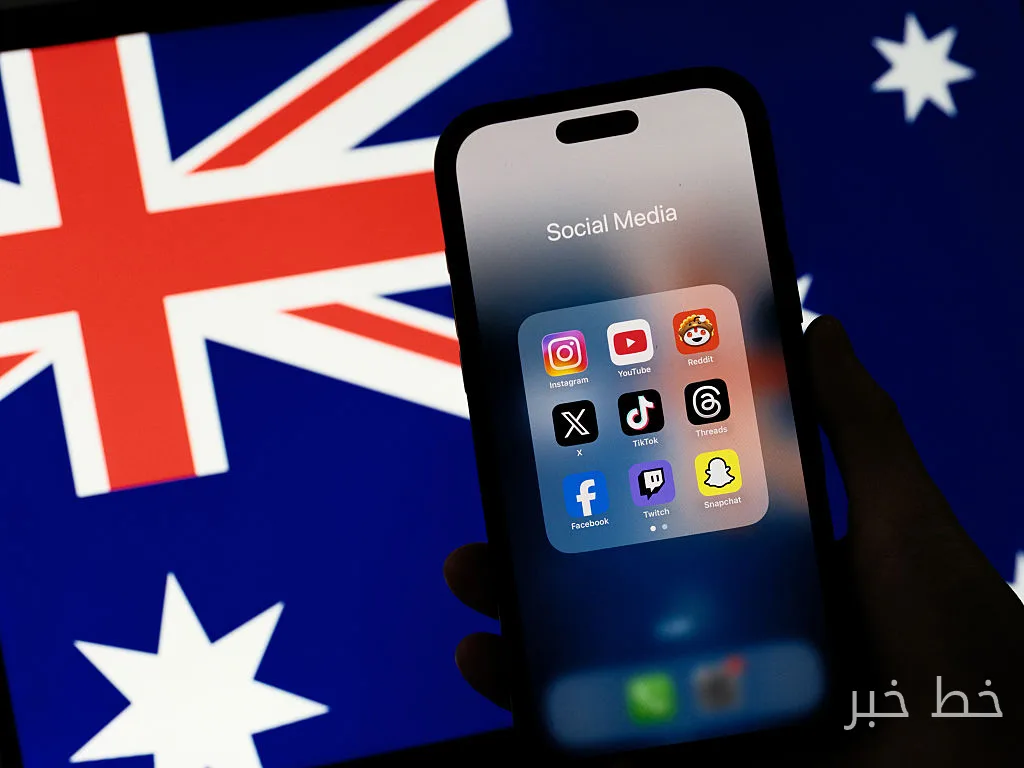
Australia has passed a new law called the 'Digital Duty of Care' that could expose major tech companies to fines of up to 5% of their global revenue. This law was approved by the country's parliament on Wednesday, and Australia's Communications Minister, Anika Wells, announced the agreement between the Labor government led by Anthony Albanese and the Greens party.
Legal Steps and Family Support
Australia is recognized as a global leader in enacting laws to protect against online harms. Last December, the country became the first in the world to ban social media use for residents under 16 years old. Albanese described this new law as the next step in supporting families and children, emphasizing that this action is not in favor of foreign tech companies.
Read more: Severe Criticism of Jensen Huang's Return to Leadership at Nvidia
Criticism and Concerns
Companies like Meta and Apple, many of which are based in the United States, have stated their intention to make improvements in child protection and harm reduction on their platforms, but have raised concerns about the breadth of Australian regulations. David Braat, the U.S. ambassador to Australia, has also expressed concerns regarding this law, stating that vague definitions of harms could lead to censorship of lawful speech.
The 'Digital Duty of Care' law includes amendments to previous internet-related regulations that were enacted in 2021. This new law requires tech companies to submit risk assessments to authorities at least once a year and to notify authorities before implementing major changes to their platforms that could lead to new harms.
Privacy Protections and Right to Private Action
This law also provides a right to private action for Australian citizens, meaning that citizens can directly sue digital platforms for breaches of the duty of care. It also strengthens user privacy protections and enhances the powers of regulators to remove 'harmful' services.
The penalties outlined in this law have been increased to meet the demands of the Australian public. Initially, a maximum fine of 109 million Australian dollars (72 million dollars) was proposed, but this has been raised to 5% of the global revenue of offenders.
Read more: Razieh Kohansal Outlines Support for the Export of Knowledge-Based Companies