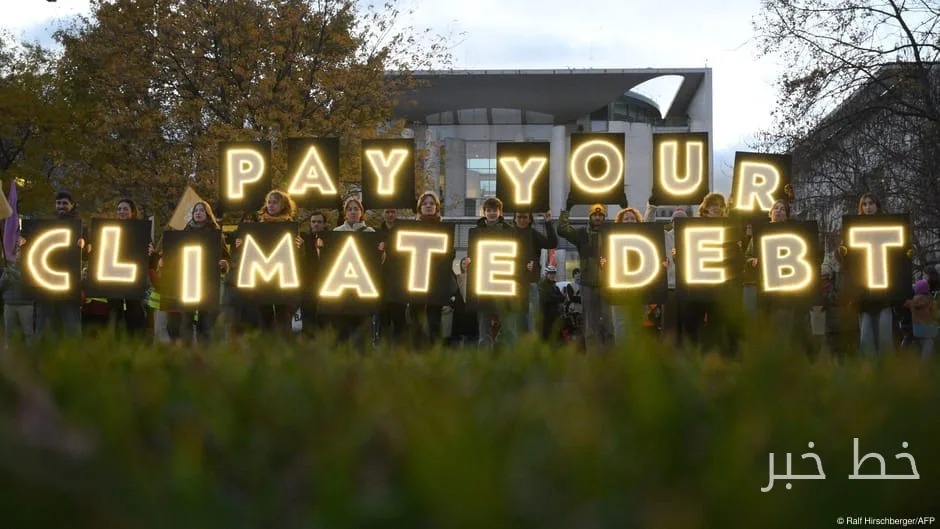
As a co-host of the COP31 conference, Australia has kicked off the second week of climate negotiations in Antalya by presenting a political draft that calls for an "immediate transition from fossil fuels" and a "tripling" of taxes for climate adaptation measures in developing countries to at least $120 billion (€109 billion).
Goal of Increasing Global Electricity
The goal of Turkey, the other co-host of this conference, to increase electricity in global economies to 35% by 2035 is also included in this text. This draft emphasizes clean energy but notes that "electricity can provide shared benefits regardless of the electricity mix" — an approach that has been controversial in negotiations, with many believing that electricity should be closely linked to renewable energies.
Read more: Consequences of Pressure Reduction Experiments on Animals by Advocacy Groups
Concerns About Climate Change
The language around the faster phase-out of oil, coal, and gas is significant as fossil fuel-producing countries have repeatedly resisted stronger wording in previous COP decisions. Martin Kaiser, head of Greenpeace Germany, stated on Monday: "The new text of the negotiations includes all the necessary components for a successful outcome from the conference: from the climate neutrality target for all industrial countries to a work plan that can maintain the 1.5-degree limit."
The draft expresses deep concern that the 1.5-degree Celsius (2.7-degree Fahrenheit) temperature threshold agreed upon at COP2015 in Paris to prevent excessive climate change is now out of reach. This draft emphasizes the need to "accelerate actions to reduce both the magnitude and duration of any temperature rise and return to below 1.5 degrees Celsius as soon as possible."
However, Kaiser criticized the lack of binding commitments in the draft decisions. He added that Europe must work with China and climate-vulnerable countries to prevent "the dilution of conference decisions and turning them into a free pass for the oil and gas industry" by oil-producing countries, including Russia and Middle Eastern nations.
Kozima Kassel, a climate think tank expert at E3G, also cautiously expressed satisfaction with the draft's "aspirational" language but said it seems that a broad agreement now allows negotiators to "fight for reciprocal agreements." She stated: "The test will be whether the final decision retains the core elements: the aspiration to reduce temperatures, defense of science, clean electricity, and progress in financing adaptation."
Disputes over financing largely revolve around who should bear the costs of international climate action, whether financial support should be provided through grants or loans, and how to increase financing for developing countries.
This draft, with 18 pages and 144 items, will be the focus of lengthy negotiations in the coming days as representatives strive to reach an agreement by Friday. However, Chris Bowen, the head of negotiations and Australia's Minister for Climate Change and Energy, has looked at this matter with optimism.
He told reporters: "The overall mindset and tone of [the negotiations] have been very constructive. Parties have approached me with strong views on various issues, as expected […] but they have also come in a spirit of cooperation, respect, and a spirit that they have told me they want to contribute to achieving a result."
Read more: Delhi Surpasses Lahore as the World's Most Polluted City · Donald Trump is in the Spotlight at COP31



