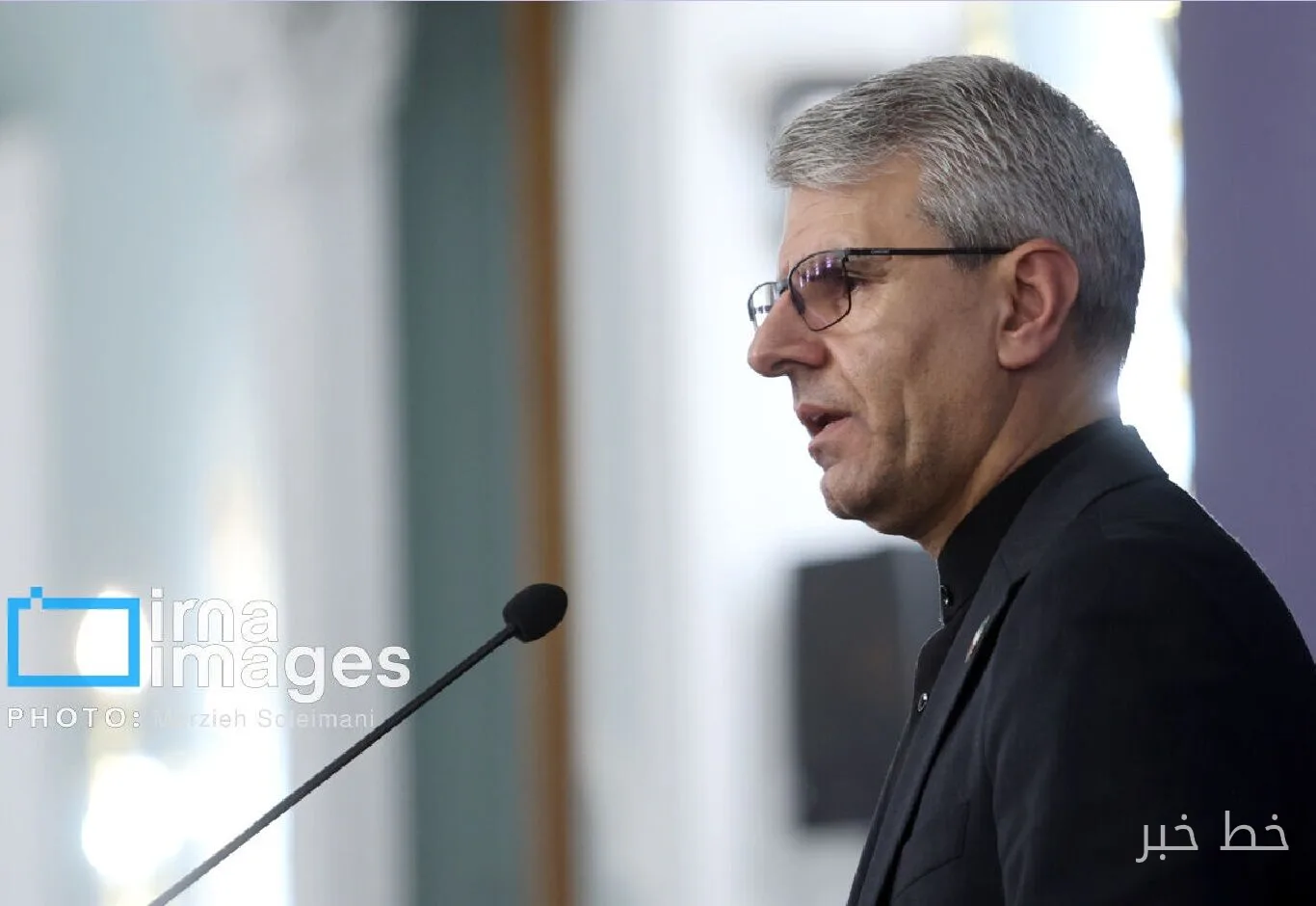
Baghaei responded on the social media platform X to the U.S. Secretary of State's remarks that "the religious beliefs of Iranians" were an obstacle to advancing negotiations. He emphasized that the U.S. administration's failure to adhere to diplomatic principles and its habit of breaking promises and relying on force and pressure has nothing to do with the religious beliefs of Iranians.
No Connection Between Religious Beliefs and Diplomacy
The spokesperson for the Iranian Ministry of Foreign Affairs clarified: "Religious and spiritual beliefs do not inherently conflict with political rationality, just as being secular does not guarantee wisdom and realism." He added: The main problem in the negotiations is not the "religious beliefs of Iran," but rather the American negotiation model that seeks to dictate unilaterally instead of engaging in real diplomacy.
Read more: Greg Stanton predicted that Trump would leave office by the holiday
The Necessity of Understanding Iran's Interests and Concerns
Baghaei also reminded that one cannot demand concessions on one hand while refraining from giving concessions on the other. He said: "You cannot dictate your conditions and disregard the legitimate interests of the other party and expect a lasting agreement." To assess the usefulness of diplomacy with Iran, it is essential to understand Iran's strategic interests and legitimate security concerns and to cure the habit of breach of trust and treaty violations.
These remarks come at a time when nuclear negotiations between Iran and world powers are still ongoing, and both sides are striving to reach new agreements. In this regard, Baghaei emphasized the necessity of changing the U.S. approach and respecting Iran's interests.
Read more: The Attorney General raised the possibility of the Justice Department intervening in the election certification · The Iranian Navy attacked seven oil tankers in the Strait of Hormuz