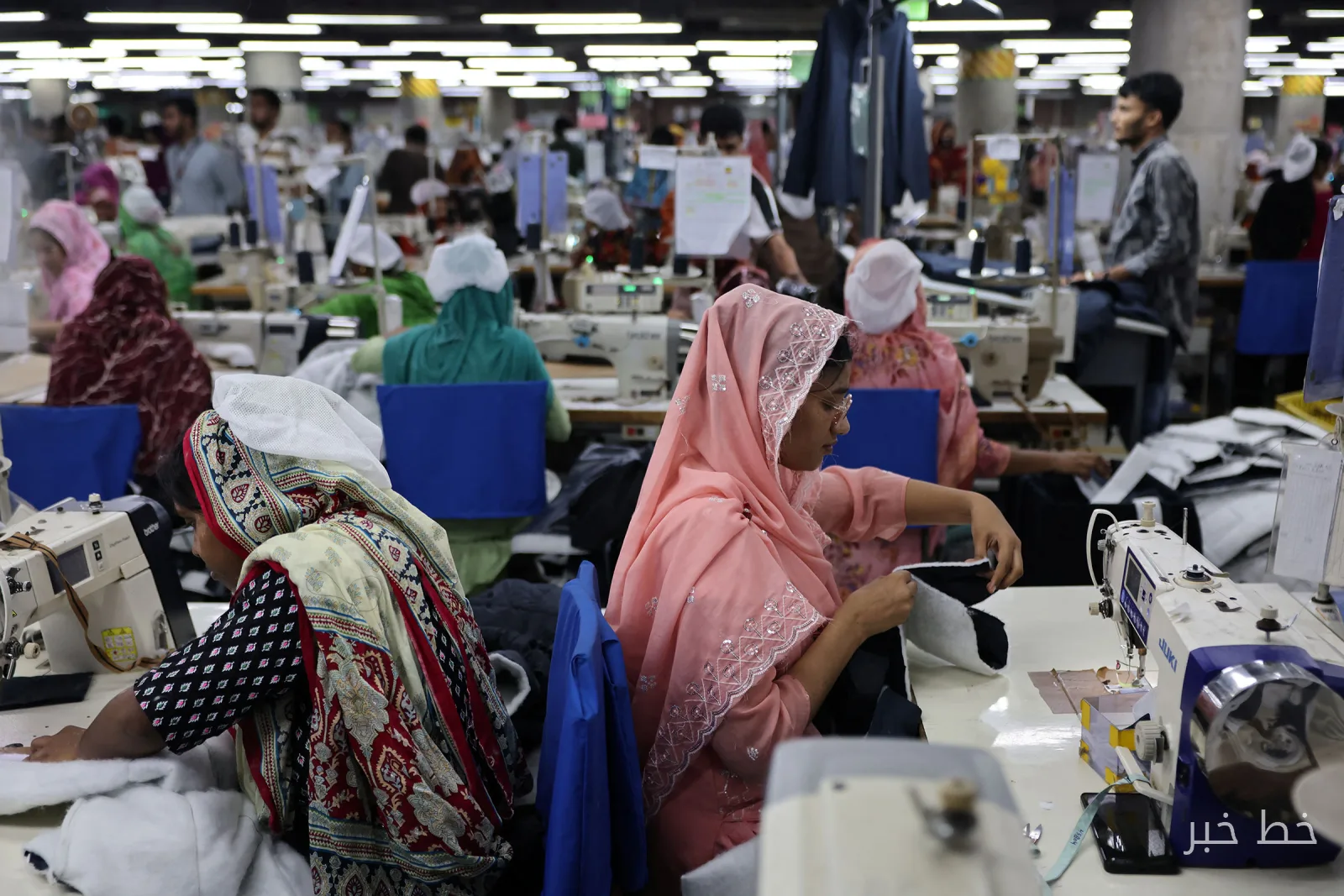
Bangladesh's garment industry, which is the largest source of formal employment in the country with 4 million jobs, is currently facing a serious energy crisis. This industry generated $38.7 billion in revenue last year, accounting for over 80% of the country's export earnings. However, severe disruptions in energy supply now pose a serious threat to this industry.
Energy Supply Issues
In garment production workshops, workers are quickly engaged in producing various garments, but suddenly the power goes out and production halts. According to Tanul Chakraborty, the Director of Energy and Environmental Sustainability at the Hamim Group, the grid electricity in Bangladesh is very weak, and frequent outages have led many factories to turn to diesel. Reports indicate that the price of industrial gas has increased by 150% since Russia's invasion of Ukraine, and the price of diesel has risen by about 70%.
Read more: Abbas Araghchi Conditions the Strait of Hormuz on the Implementation of Iran's Conditions
Social and Economic Consequences
This energy crisis has not only impacted the garment industry but has also had negative effects on the daily lives of people. In Dhaka, the capital of Bangladesh, which has a population of nearly 40 million, power outages have continuously disrupted people's lives, plunging nights into darkness. Currently, the electricity shortage has reached over 3,000 megawatts, and the government has taken measures to cut power during non-essential hours to reduce consumption.
The impact of this crisis has also reached rural areas, with residents in some regions experiencing up to 16 hours a day without electricity. This situation has turned the daily lives of people into a significant challenge, forcing them to use gas for cooking before sunrise and plan how long they can use a fan to cool themselves.
Moreover, experts have warned that 18.1 million people in Bangladesh may soon face food security issues. The reduction in liquefied gas imports into the country, due to disruptions in the Strait of Hormuz and a fire at one of the major terminals, has exacerbated this crisis.
Meanwhile, thousands of opposition supporters have taken to the streets to demand that the Prime Minister take more action to address rising fuel costs. Energy has become one of the biggest challenges for the new government and a rallying point for the opposition.
Read more: The AI Revolution and the Need for Fair Resource Distribution · Argentina's Exports Reached a Record $10 Billion in September



