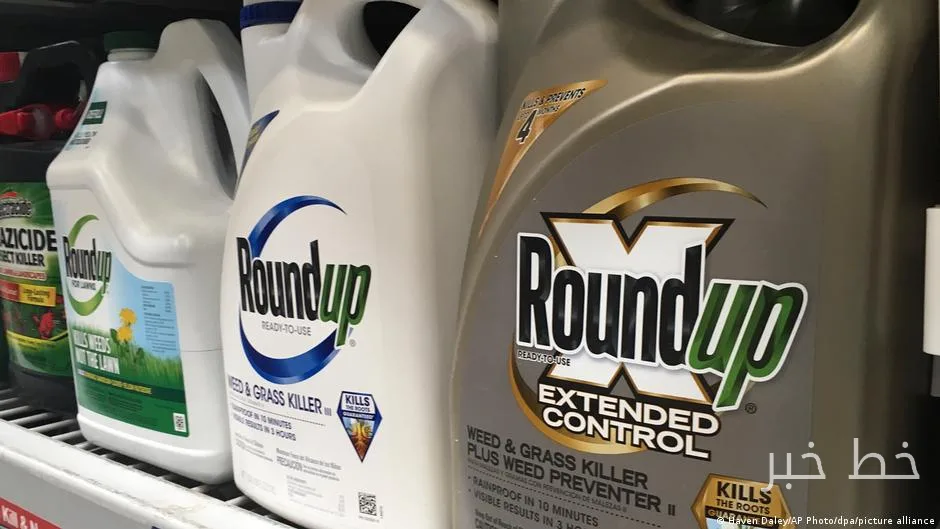
Bayer won a court case in Missouri on Thursday, rejecting claims from three women that the herbicide Roundup caused their cancer. The court unanimously ruled in favor of Bayer, marking the first case held after a U.S. Supreme Court ruling that set limitations on lawsuits related to this product.
Case Review and Claims
The case presented in St. Louis was filed in 2020 by Teresa Artino, Cynthia Fernandez, and Betty Larkin. The three women claimed that they developed non-Hodgkin lymphoma after regular use of Roundup. Their lawyers argued that Roundup was defectively designed and unreasonably dangerous, and that Bayer was negligent in selling it.
Read more: Plant-based butter recalled due to health hazards in 10 states
Challenges Ahead for Bayer
The three women did not settle with Bayer, and about 65,000 other lawsuits have been filed against the company for claims of cancer caused by Roundup. Earlier this year, the U.S. Supreme Court ruled that plaintiffs could not claim that the Roundup label failed to warn users about cancer risks, as the Environmental Protection Agency concluded that the label does not need to include a cancer warning.
Bill Dodero, Bayer's General Counsel in the U.S. and the company's head of litigation, stated, "We are pleased with the jury's positive verdict for Monsanto, and this verdict shows that there is no evidence to support claims of design defect, fraud, or negligence in Roundup-related lawsuits."
He added, "This verdict should send a strong signal to plaintiffs who intend to pursue their claims in the court system after the Durnell ruling, as they will face significant challenges in proving their claims and providing the necessary evidence to support them."
Bayer has repeatedly defended the use of glyphosate, the active ingredient in Roundup, calling it "one of the most studied agricultural tools in history." The Environmental Protection Agency had previously concluded that glyphosate is probably not carcinogenic, but is currently conducting a new safety review of it.
The International Agency for Research on Cancer concluded in 2015 that the substance is "probably carcinogenic" to humans, but Bayer has rejected the findings of this study, deeming it unusual.
Read more: Ukraine cannot agree to EU membership without access to grain sales