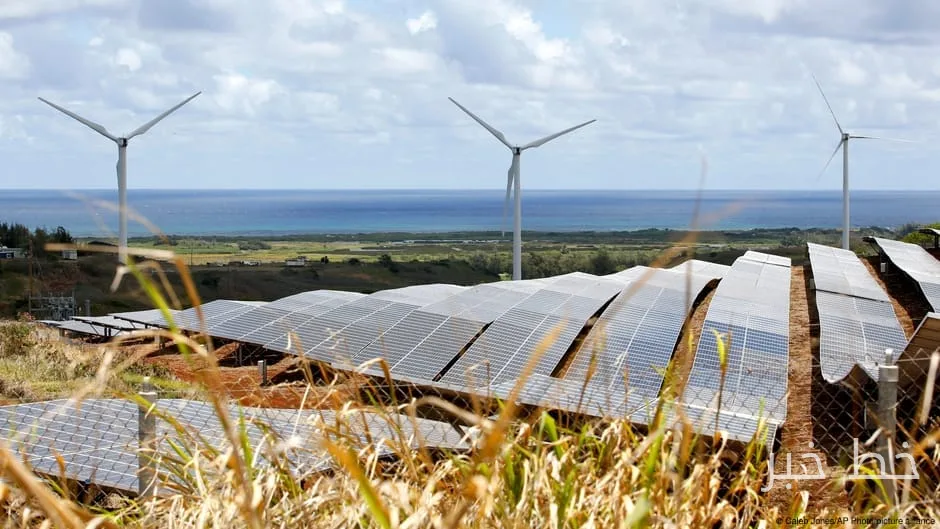
The bill to reform permits in the U.S., officially known as the Bipartisan American Access and Jobs Act (BAAJA), aims to expedite the permitting process for energy projects. This bill, introduced with the support of President Donald Trump, has passed the U.S. Senate and is now awaiting a vote in the House of Representatives.
Complex Permitting Process
Before many solar farms, wind projects, or power plants can connect to the power grid, they must navigate a complex permitting process. Obtaining approval for an energy project typically takes years and requires multiple permits from various government agencies. If a project can overcome these hurdles, legal challenges can easily halt new infrastructure.
Read more: Meeting of Army and FEMA Officials Regarding the Planned Explosion in Iowa
Proposed Reforms and Implications
The BAAJA bill, which is nearly 500 pages long, seeks to reform the permitting process. This bill helps expedite environmental reviews, streamline planning, and construction of power transmission lines, and also makes it harder to revoke permits. However, this bill is generally technology-neutral and could also accelerate fossil energy projects.
Some Democrats believe that permitting reforms are essential to reduce energy costs, while others only support certain provisions. The research group Rhodium estimates that passing this bill could reduce U.S. greenhouse gas emissions by up to 4% by 2040.
On the other hand, Keon Kircher, an engineer at Purdue University, has concluded that domestic greenhouse gas emissions may increase by 2% due to increased fossil fuel production. This discrepancy in assessments depends on which types of projects are most affected by this bill.
Many environmental groups have particularly objected to the provisions that make obtaining federal permits more difficult. They argue that this could lead to weakened protections for water and habitats and limit environmental lawsuits.
Read more: Greg Stanton Declares Urgent Need for Reforms in the COP Process · Mike Levin Votes Against the Energy and Infrastructure Permit Reform Bill



