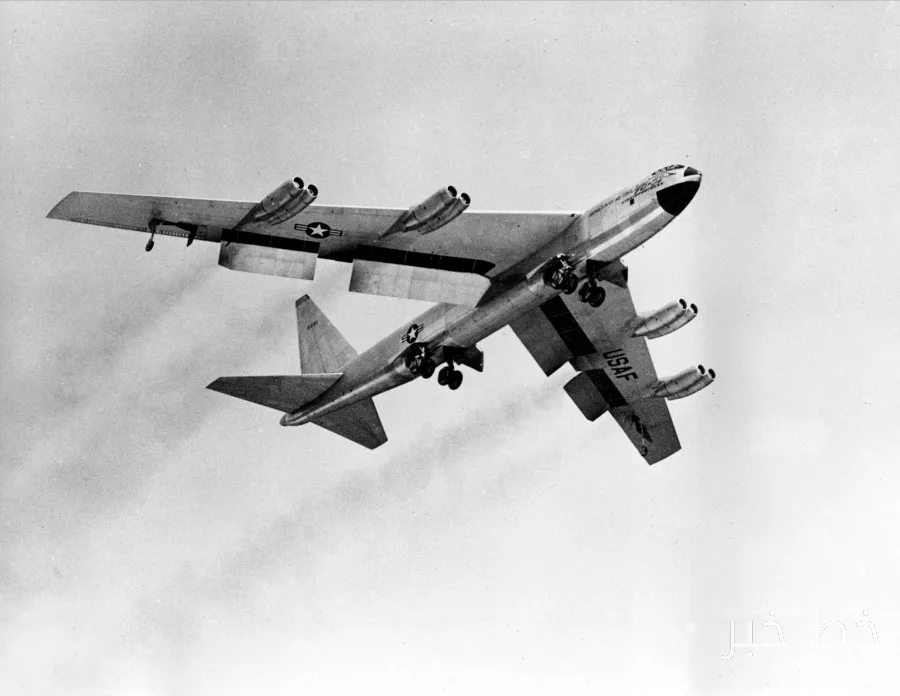
Boris Pistorius, the German Minister of Defense, received the first F-35 fighter jet at an official ceremony in Texas. These jets, recognized as a symbol of Germany's military dependence, not only ensure the country's nuclear security but also depict the failures of armament projects in Europe.
Military Dependence and Europe's Challenges
The receipt of F-35 fighter jets signifies Germany's reliance on U.S. military technologies. Meanwhile, Europe, due to failures in joint armament projects, cannot fully access such equipment. Many analysts believe that this situation will exacerbate Europe's security challenges in the future.
Future Plans and Strategies
In light of these developments, German politicians have discussed strengthening internal security and increasing military budgets. Additionally, following recent attacks on train staff, discussions are underway regarding security controls at train stations and increasing penalties for assaults on transport staff. These measures are seen as part of efforts to enhance security and protect citizens.
Transport Minister, Stephan Billger, and Justice Minister, Stephanie Hubig, are examining these issues and intend to propose new policies to address security threats. These developments highlight the importance of security in German society and the need to ensure it through international cooperation and strengthening domestic infrastructures.
In an interview, Sonia Hahn, Vice President of the FDP party, spoke about the challenges facing her party in the upcoming elections in Berlin and Mecklenburg-Vorpommern. She referred to the party's efforts to prevent a decline in popularity and maintain its political position. These issues reflect political concerns in Germany and the necessity to pay attention to economic and social matters.