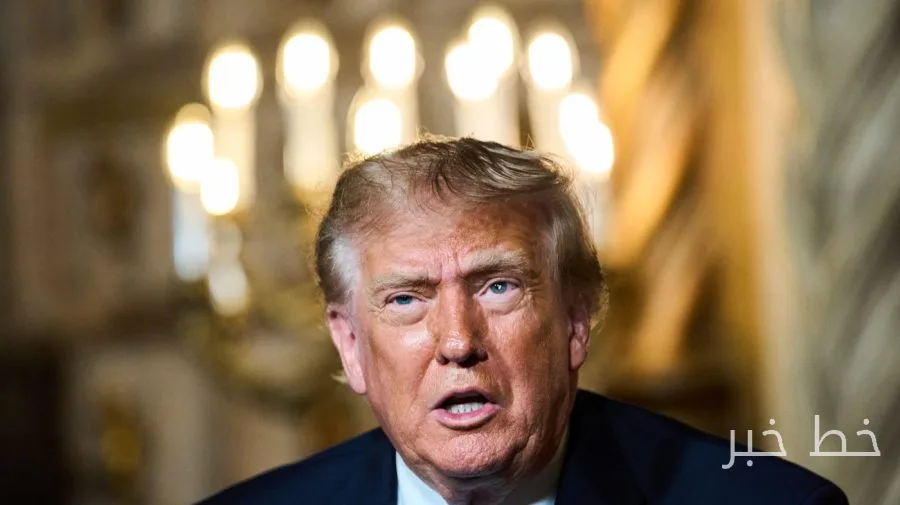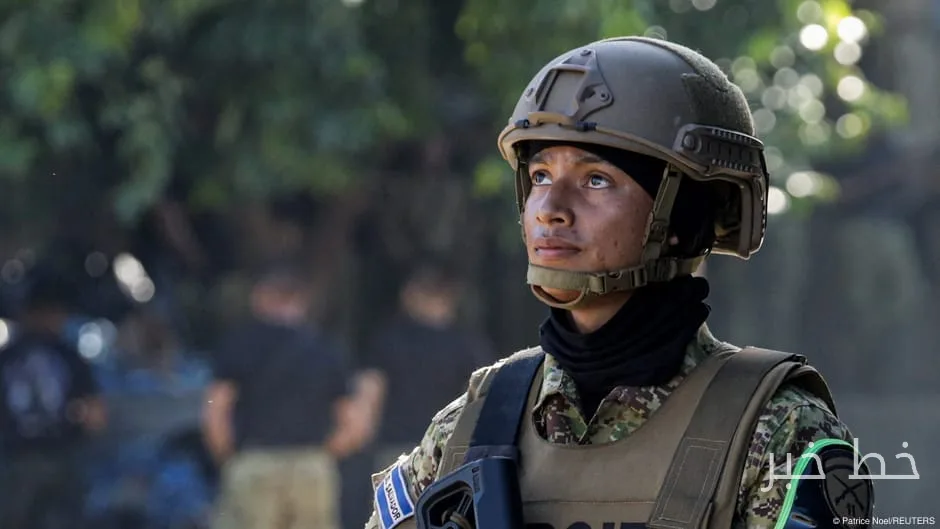
Bukele, the President of El Salvador, has sent his military forces to Haiti to weaken the influence of criminal groups. This action comes in response to a severe crisis in Haiti, which began in 2018, involving protests, the assassination of the president, and increasing gang violence.
Current Crisis Situation in Haiti
Haiti has faced multiple crises since 2018. During this period, widespread protests have been held against the economic and political situation, and the assassination of Jovenel Moïse, the former president, has worsened the country's condition. Additionally, a significant increase in crime and gang activity has challenged the government and affected the daily lives of the people.
The Prime Minister of Haiti, Ariel Henry, recently expressed gratitude for the assistance of Salvadoran forces in combating gangs. He announced that the two countries are collaborating with UN support forces to restore territorial control and government sovereignty.
Performance of Salvadoran Forces and Challenges
Salvadoran forces have been stationed in Haiti since the beginning of 2025 and have recently deployed over 2000 soldiers and special forces to the country. The main goal of this deployment is to help rescue four Salvadorans who were attacked on October 18 and have not yet been found. However, some experts have expressed doubts about the legitimacy of El Salvador's presence in Haiti.
Jake Johnston, a Haiti expert and director of international research at the Center for Economic and Policy Research (CEPR) in Washington, has raised concerns about coordination among various security forces. He emphasized that how these forces operate and define their lines of cooperation raises serious questions.
UN reports have also described a concerning situation in Haiti, including bloody battles over territories, sexual violence, and serious human rights violations. Between July and September 2026, at least 1167 people were killed and 459 injured. Many of these acts of violence have resulted from security operations against gangs.
Bukele, with his strict policies in El Salvador, seeks to extend this approach to other countries, especially Haiti. However, experts believe that the conditions and challenges in Haiti may hinder the achievement of similar results in this country. Romine Le Cour Granmaison, a Haiti expert, believes that Haitian gangs are more like militias and that the necessary conditions for implementing the Salvadoran model do not exist.