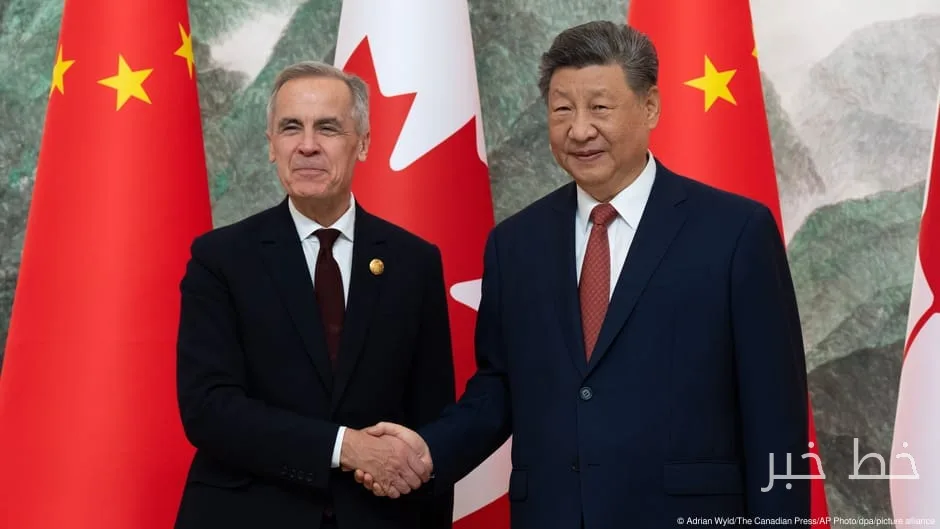
Canada and China reached agreements on tariff reductions during negotiations between Xi Jinping, the President of China, and Mark Carney, the Prime Minister of Canada, prior to the Asia-Pacific Economic Cooperation (APEC) summit in Shenzhen.
Progress in Bilateral Relations
These agreements signify an improvement in relations between the two countries after years of tension arising from trade disputes with Washington. Both countries are seeking to reduce their dependence on the United States.
Mark Carney spoke of "greater predictability and stability" in relations with China during the negotiations, and Xi Jinping emphasized that cooperation between the two countries would benefit not only the two nations but also Asia and the world.
Details of Trade Agreements
According to the Canadian government, China is set to reduce its tariffs on Canadian pork, fish, and seafood. In return, Canada will extend the current exemption tariffs on Chinese steel and aluminum for another two years.
The two leaders also agreed to collaborate more closely on economic and financial issues and to cooperate in education and environmental protection.
Xi and Carney had previously expressed their intention to strengthen bilateral relations during negotiations held in Beijing in January. At that time, an agreement was signed to reduce tariffs on Canadian agricultural products and to facilitate access for Chinese electric vehicles to the Canadian market.
Criticism and Concerns
However, critics in Canada have pointed to the risks they believe arise from closer ties with Beijing. Some Canadian intelligence agencies believe that China has interfered in at least two federal elections in the country, a claim that Beijing denies.
This development comes as Canada seeks to increase exports to China by 50 percent by the end of this decade. Carney stated that Canada has made faster progress than its forecasts in this regard.
Despite the progress made, these relations still face challenges and criticisms that highlight the need for careful and precise management by both countries.



