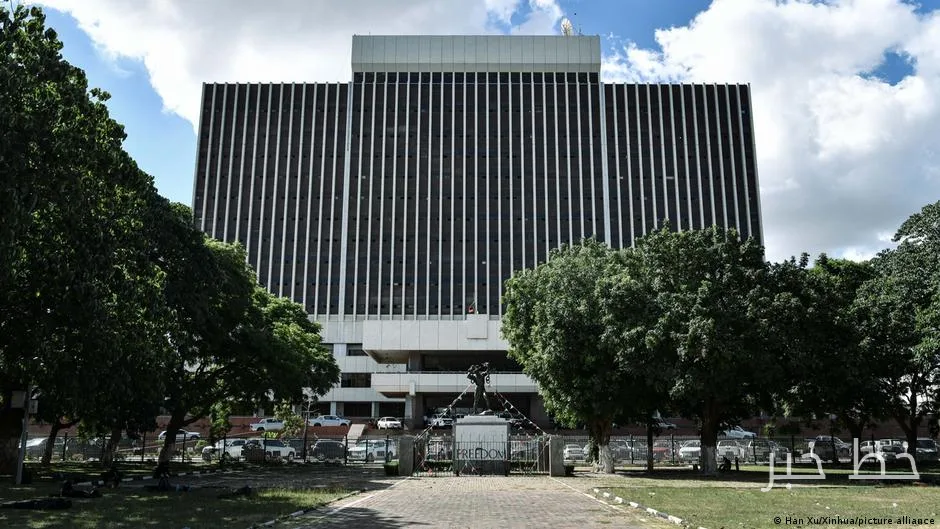
Recent changes in Zambia's public services, marked by widespread retirements and dismissals, have raised concerns about transparency and fairness in these institutions. Many residents of Zambia are seeking jobs in public services due to the stability and security traditionally associated with such employment. However, the recent retirements and dismissals in several public institutions have disrupted this image and sparked a national debate about the government's use of "national interest" regulations.
Changes in Zambia
Among those affected by these changes is Godfrey Chilabi, the former public relations officer of the Zambia Police, whose departure from the institution was announced in October. Chilabi, without elaborating on the details of his exit, told local media that he retired for national interest.
Read more: JetBlue Increases Checked Baggage Fees Again
Chilabi's retirement occurred amid widespread changes in Zambia's public institutions. Additionally, Charity Manganga, the deputy inspector general of the Zambia Police, was dismissed, and all staff of the Zambia Medicines and Medical Devices Agency were also terminated as part of a "reset" following a government inspection.
Concerns About Transparency and Fairness
These changes became a hot topic in public discussions in October when opposition representatives in parliament questioned the government about the retirements and dismissals that occurred after the August 2026 general elections. Andrew Ng'ow, a political analyst and governance expert, stated that the retirements conducted in the name of national interest raise significant questions about transparency, fairness, and the protection of professional public services.
Ng'ow emphasized that if there are legal grounds for the retirement of any public employees, the government should clearly explain these reasons. He added that public institutions should operate according to established procedures and laws, not based on political considerations that could undermine the independence of institutions.
Zambia's law allows service commissions to retire established officers in the name of national interest. Previous governments have also utilized this provision. However, recent actions have come under intense scrutiny due to their timing with extensive restructuring efforts affecting various institutions.
Critics argue that this issue is particularly sensitive because the ruling party, the United Party for National Development (UPND), previously opposed the use of retirements in the name of national interest while in opposition. For this reason, opposition representatives, led by Steven Kampyongo, have criticized these actions as inconsistent with the ruling party's previous stance.
Kampyongo questioned the government during a question session with the Vice President on October 17 about what guarantees exist for public employees "who work in fear" and what measures are being taken to ensure that those retired in the name of national interest do not become homeless.
Vice President Mutale Nalumango, in response to these questions, denied allegations of conducting a political purge and described these actions as part of a lawful institutional restructuring process. She acknowledged concerns regarding these changes while defending the government's authority to make personnel adjustments within the public service framework.
Nalumango's comments have been cited by critics as an indication of the likelihood of further changes in the ongoing restructuring of public institutions. Additionally, statements by Gilbert Liswaniso, the President of the UPND Youth, who stated that governments naturally seek to collaborate with individuals who align with their vision, have heightened concerns.
Civil rights activist David Chichiba rejected the idea that political affiliation could determine a person's future in public employment, stating that the constitution clearly indicates that public officials are prohibited from engaging in partisan politics while in service, thereby maintaining impartial public services.
Chichiba added that public employees serve the country, not any political organization. For public employees caught in these administrative changes, these developments are deeply concerning. Ng'ow also noted that sudden personnel changes could affect morale across the public service and create uncertainty regarding employees' professional futures.