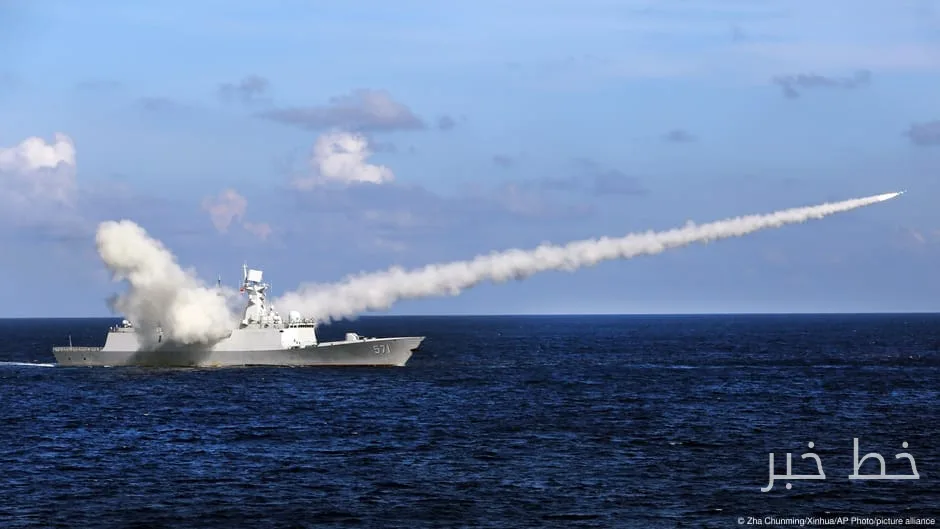
China and ASEAN countries are facing serious challenges in their efforts to establish a code of conduct in the South China Sea. The Philippines intended to finalize this code during its chairmanship of ASEAN in 2026. However, this goal was set aside at the recent summit held in mid-November in Manila due to disagreements over key issues.
Importance of the South China Sea
The South China Sea is considered one of the most important shipping routes in the world and is rich in fishing resources and may have significant oil and gas reserves. This region is also a site for strategic competition; China claims a large portion of this sea through its “Nine-Dash Line,” which overlaps with claims from the Philippines, Vietnam, Malaysia, and Brunei.
Read more: Trump's Power Test on the Republican Party with the Exit of MAGA Allies
Challenges in Approving the Code of Conduct
The code of conduct is designed to establish rules for interactions among parties and to prevent the escalation of incidents at sea. However, opinions differ regarding its binding nature and geographical scope. Some experts believe that China, due to its significant power, has no interest in an agreement with legal obligations. According to political expert Andreas Offenhauser, Beijing prefers to maintain disputes while pursuing its interests in the region.
Unresolved issues, such as the Paracel Islands, highlight the extent of fundamental problems. Vietnam seeks to include these islands within the geographical scope of the code of conduct, while China strongly opposes this. This disagreement could have significant implications for the territorial claims of the parties involved.
Lack of Consensus in ASEAN
Among ASEAN countries, a lack of unity is also a major issue. The Philippines and Vietnam are openly opposed to China, while Malaysia and Indonesia take a more cautious approach. This diversity of interests could work to China's advantage, as the country prefers to negotiate bilaterally with individual nations rather than deal with a united group.
Research indicates that not only China but also internal disputes within ASEAN have disrupted negotiations. A comprehensive and binding agreement may be difficult to achieve, and instead, partial agreements could be considered as initial steps.
Read more: Greg Stanton Did Not Answer Questions About the Iran War and Elections · China Emphasized Resolving US-Iran Disputes Through Negotiation