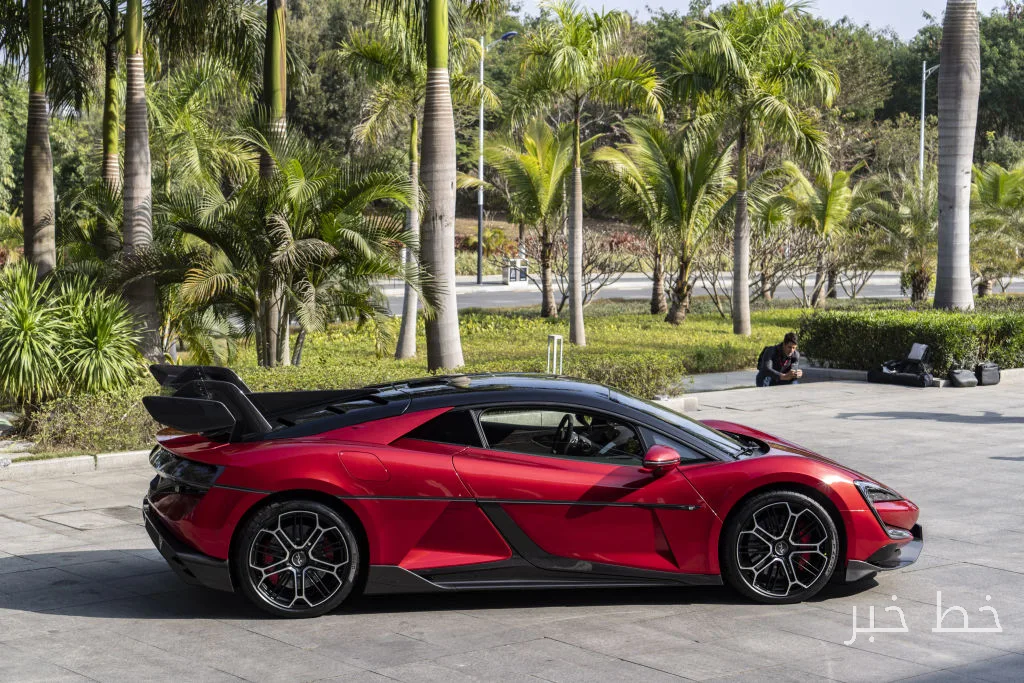
China cannot continue as the world's factory. Over the past four decades, China has become an unparalleled industrial model due to its provision of labor and scale. However, as we enter the second half of this century, this agreement must change, not due to the failure of China's production model, but because of its overwhelming success.
Changes in the Global Supply Chain
In recent years, the United States has imposed tariffs and export controls, and multinational companies have turned to a "China plus one" strategy. Despite this, China's exports continue to grow, and its trade surplus reached a record $1.2 trillion in 2025. However, this trend is not expected to continue indefinitely, as what is economically efficient is no longer politically acceptable.
Resistance to China's Manufacturing Dominance
China's manufacturing dominance faces resistance, not only in the U.S. but also in Europe, where there are concerns about the erosion of its industrial base. Developing countries, while welcoming Chinese investment, seek access to manufacturing capabilities and technology. They do not want to merely purchase Chinese products; they want to establish their own factories and acquire new skills.
China must shift from its manufacturing model to exporting capabilities and industrial expertise. This change will allow China to rely on the accumulated learning within its industrial ecosystem rather than on cheap labor.
Global Learning and Development
China's industrial ecosystem has gained extensive experience in the production of smartphones, particularly in batteries, sensors, and precision manufacturing. This expertise has been transferred to the electric vehicle industry, leading to further advancements in this field. Currently, China can assist other countries in developing by utilizing this expertise and the equipment it brings.
These changes are clearly observable in various countries. In Brazil, BYD has shifted from importing cars to local production and developing local suppliers. In Indonesia, Chinese investments are building an integrated battery industry.
Read more: Costs related to former prime ministers have decreased to 1.2 million euros · The U.S. Treasury Department has imposed new sanctions against Iran