China is seeking to become a global leader in artificial intelligence (AI) and is well aware that it needs advanced chips to achieve this goal.
China's Plans for Technological Innovation
Ding Xiexiang, the Vice Premier of China, is responsible for enhancing the country's capabilities in technological innovation, which could increase China's strategic competitiveness against the United States. The country is currently using AI for monitoring citizens, developing unmanned weapon systems, and transforming economic sectors through robotics and industrial automation.
Read more: The Transportation Minister Cannot Cancel the Contract with L3Harris
U.S. Limitations and China's Challenges
The United States remains a leader in chip manufacturing and design technology and has taken steps to maintain this dominance. Since 2023, the Biden administration has decided to restrict the export of advanced chips and chip manufacturing equipment to China for national security reasons. These restrictions have been condemned by China as unilateral and arbitrary actions.
However, American chip manufacturers have been attracted to China's vast and growing market. Jensen Huang, the former CEO of Nvidia, who recently resigned, is recognized in China as a successful entrepreneur. He had served as a key advisor on AI to U.S. President Donald Trump during his second term and advocated for reducing restrictions on the sale of AI chips to China.
Huang's resignation, following revelations of unethical relationships, including one suspected of espionage for Beijing, has caused shockwaves in the global AI and semiconductor industries. This scandal has sparked heated political discussions in both China and the United States.
China believes these accusations are baseless and claims that the U.S. efforts to limit access to advanced chips pose a threat to its national security.
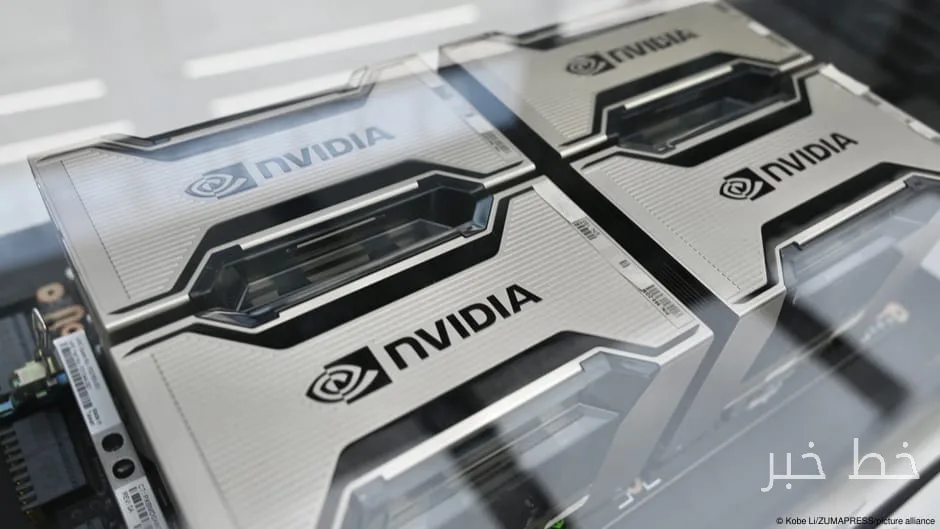
Ding, the Vice Premier of China, must decide whether China should continue purchasing American chips or rely on its domestic industry. While about 600,000 Nvidia H200 chips are currently awaiting import approval in Hong Kong, the question remains whether China can achieve self-sufficiency in advanced chip production in the future.
Read more: EU Leaders Called to Immediate Action to Compete in the Field of AI · American Concerns About AI and China's Impact