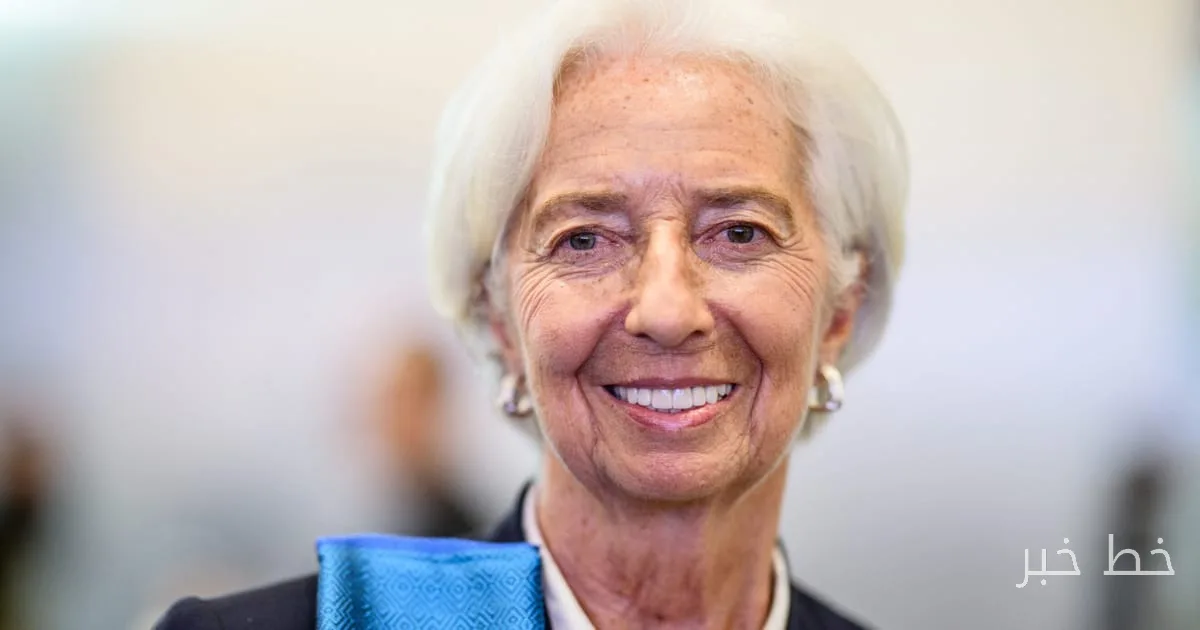
Christine Lagarde will resign from her position as President of the European Central Bank (ECB) on February 7, 2024. This news was announced on Thursday and puts an end to several months of speculation about her future. Lagarde's resignation will leave one of the most important economic positions in Europe vacant.
Impact on ECB Leadership Structure
The European Central Bank confirmed in a statement that Lagarde is leaving her position, but did not provide details about her future plans. This decision allows EU member states to agree on new nominations for the ECB's governing board. The ECB's governing board consists of six members, and changes in this team can have profound effects on Europe's monetary and economic policies.
Read more: The British Chancellor promised to increase defense spending until 2030
Challenges Ahead for Lagarde's Successor
As Lagarde leaves her position, many challenges await her successor. For instance, Isabel Schnabel will soon resign in January to take up a senior position at the International Monetary Fund (IMF). Additionally, Philip Lane, the ECB's chief economist, will finish his term in May. These developments will present further challenges for Lagarde's successor in selecting new members for the governing board.
Political Implications in France
This change also gives Emmanuel Macron, the President of France, the opportunity to influence the selection of Lagarde's successor. With the French presidential elections approaching next year, this issue could affect the nomination process and economic policies in the country. In this context, the choice of Lagarde's successor will not only impact European economic policies but also the internal political stability of France.
Overall, Christine Lagarde's resignation from the European Central Bank marks a turning point in the history of this institution and could have significant effects on the economic and financial policies of the Eurozone and beyond.
Read more: The Federal Reserve is likely to keep interest rates steady before the midterm elections · Zelensky to Le Pen: Ukraine provides security for Europe