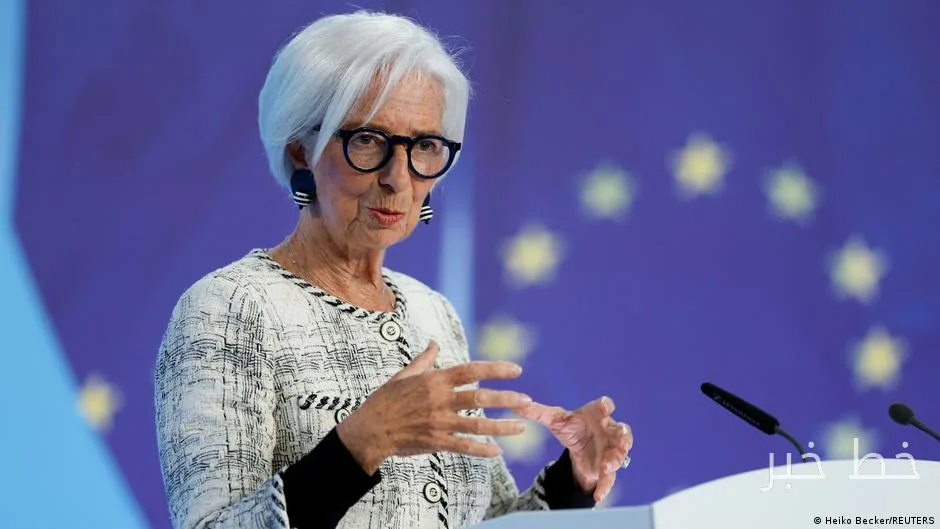
Christine Lagarde, President of the European Central Bank, announced that she will resign from her position early on February 7, 2027. Lagarde, who has been in this role since 2019, has informed the Board of Governors and Antonio Costa, President of the European Council, of her decision.
Reasons for Resignation
No reason for Lagarde's early resignation has been provided yet, but there are speculations that she intends to introduce her successor before the spring elections in France, which could lead to the victory of Euro-skeptic right-wing parties. Her term, which began on November 1, 2019, was originally set to continue until the end of October 2027.
Read more: Decrease in Beer Sales Due to the Impact of GLP-1s on the Market
Management in Crisis Conditions
Antonio Costa, President of the European Council, praised Lagarde's management over these seven years, describing her as a steady and determined leader. Lagarde has maintained the stability and resilience of the Eurozone during a period when Europe faced numerous challenges, including a global pandemic, war in Europe, energy crises, and economic shocks.
In a short video, Lagarde stated that she is satisfied with her performance in this institution and expressed hope that the European Central Bank is prepared for the future. She also mentioned that the process of selecting her successor will begin promptly to ensure a smooth transition of power.
Important Meeting of the European Central Bank
This announcement comes ahead of an important meeting of the European Central Bank, where it is expected that deposit rates will be maintained at 2.5 percent. Additionally, this meeting will focus on the financial and political crisis in France, the second-largest economy in Europe. Recently, the interest rate on French government bonds has reached its highest level in 25 years, raising significant concerns.
Analysts believe that the European Central Bank may use the “Transmission Protection Instrument” (TPI) for the first time. This tool allows the bank to purchase bonds from Eurozone countries if rates rise uncontrollably and there is a risk of spreading financial pressure. However, most observers believe that France's current issues do not yet meet the stringent conditions necessary for the use of this tool.
Read more: Opposition to Data Center in Ohio Harms Local Policies · New UK Budget to Focus on Cost of Living Crisis