The U.S. Congress must ensure the scientific independence of the Centers for Disease Control and Prevention (CDC) by passing legislation. This agency must be able to make its decisions without political influence, whether during the presidency of one party or another. In January, Congress will have the opportunity to turn this principle into law.
The Importance of CDC's Scientific Independence
In recent decades, the scientific independence of U.S. public health agencies has been established based on a bipartisan agreement. While different administrations have disagreed on health policies, health secretaries have generally respected the expertise and processes of agencies like the CDC and the Food and Drug Administration.
Read more: CDC announced a change in response to measles if it loses its elimination status
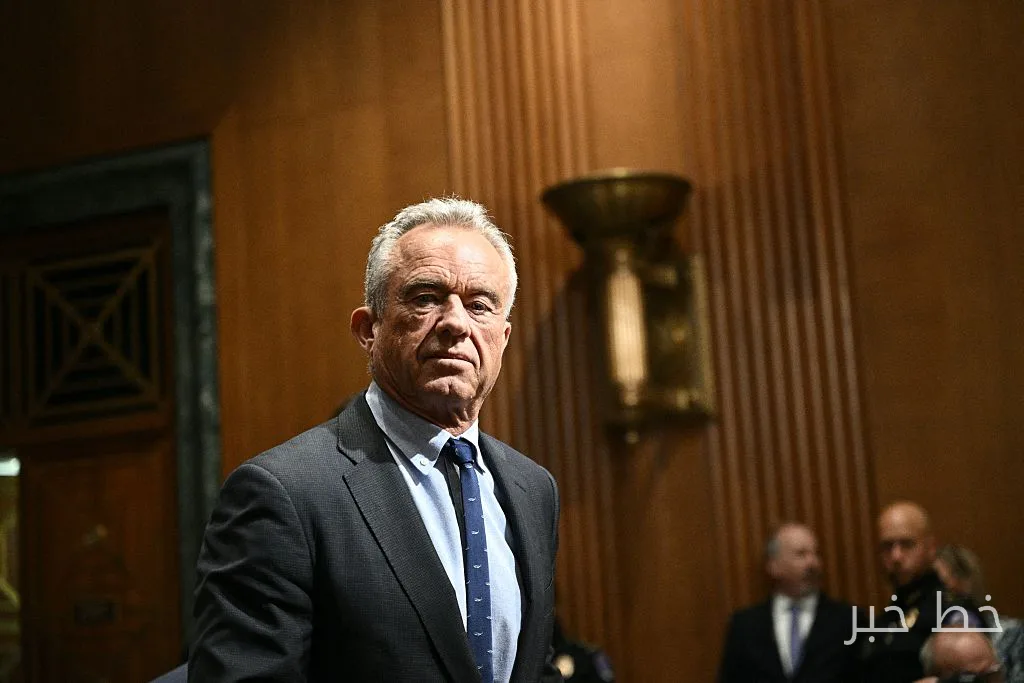
However, in recent years, especially during the COVID-19 pandemic, this independence seems to have come under political pressure. Some health secretaries, including Republican Alex Azar and Democrat Xavier Becerra, faced allegations of political interference. However, none have been as impactful as the interventions of Robert F. Kennedy Jr. His interventions had a scale and scope beyond previous cases.
Congress's Priorities for Protecting the CDC
To address these challenges, Congress must pursue four priorities:
- Specific laws for the Advisory Committee on Immunization Practices, including membership criteria, a transparent appointment process, and the ability to remove members only for cause.
- Requirement to provide documented and public evidence for any major changes in scientific recommendations.
- Requirement for public explanation by the Secretary of Health in case of deviation from an official recommendation, separating scientific evidence from financial and operational considerations.
- Protection of professional scientists' ability to publish findings and the establishment of an independent office to review political interventions, with support for whistleblowers.
These laws should be mandatory for any future secretary appointed, including those appointed by the party currently controlling Congress.
The CDC has lost more than a quarter of its workforce since 2024. This reduction includes epidemiologists who investigate outbreaks, laboratory scientists who identify new pathogens, and specialists who evaluate evidence. This expertise takes years to develop.
Congress should mandate an independent assessment of the CDC's current capabilities and require the agency to produce a public plan for rebuilding with measurable goals.
Additionally, Congress should clarify what Americans can expect from their national public health agency. The CDC should be able to investigate outbreaks upon request from states and publish evidence-based guidance.
Despite having a Republican president in the White House, the passage of broad legislation requires bipartisan support. Congress can begin by holding oversight hearings and independent investigations while also building a coalition for sustainable legal support.
Over the past eight decades, the CDC has protected Americans from infectious diseases and other health threats. The American people deserve a CDC that they can trust scientifically, whose expertise is protected, and whose ability to safeguard their health is not dependent on who is in the White House.
Read more: Greg Stanton urged Congress to ban sports prediction markets · Jensen Huang agreed to attend Congress