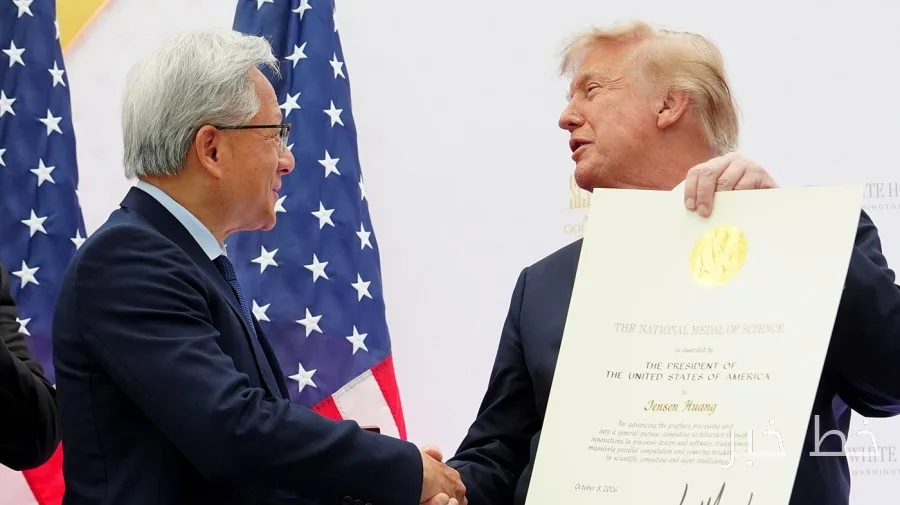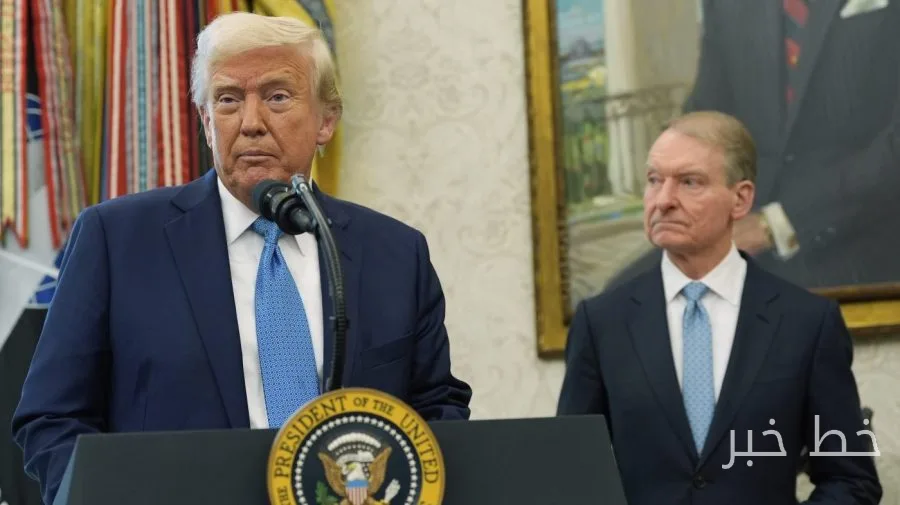
The United States Congress has been reviewing chip export laws in a tight session. These developments come after new information was revealed about Jensen Huang, CEO of Nvidia, and his communications with a Chinese spy. The investigations have significantly focused on three bills related to chip exports.
Background of the Investigation and Revelations
Investigations into Nvidia and Huang's connections with an individual identified as a Chinese spy have recently drawn attention. This issue has prompted Congress to consider new laws to examine the security and economic implications of these connections. These revelations have also raised concerns regarding national security and potential impacts on the U.S. technology industry.
Read more: Europe Needs Nvidia, and This Need Won't Change with a Spy Scandal
Chip Export Laws and Their Consequences
The three export bills being discussed in Congress include restrictions on the export of advanced technology chips to countries that may pose national security threats. These laws specifically emphasize exports to China, aiming to prevent the transfer of sensitive technologies to countries that may use them for military purposes.
The passage of these bills could have a profound impact on the U.S. chip and technology market. For instance, many technology companies may face new export restrictions on their products, which could lead to a decrease in their competitiveness in the global market. On the other hand, these measures could help strengthen U.S. national security and prevent the influence of countries identified as threats.
Ultimately, these developments represent a significant shift in the U.S. approach to technology exports and national security. Congress is expected to continue reviewing and passing these laws in the coming weeks, making this a key issue in economic and security policymaking.
Read more: Czech Arms Company Turns to Space Defense to Maintain Arms Market Boom · Democrats Begin Planning U.S. Foreign Policy for the Next Congress