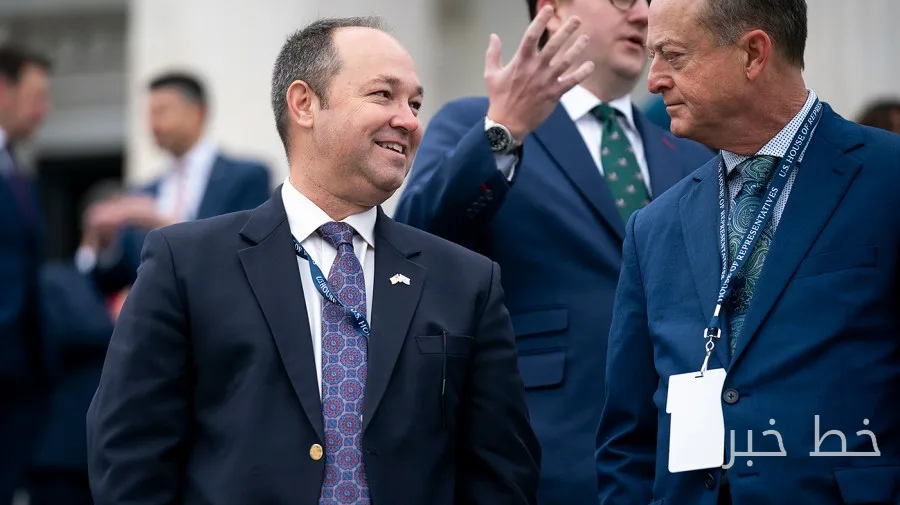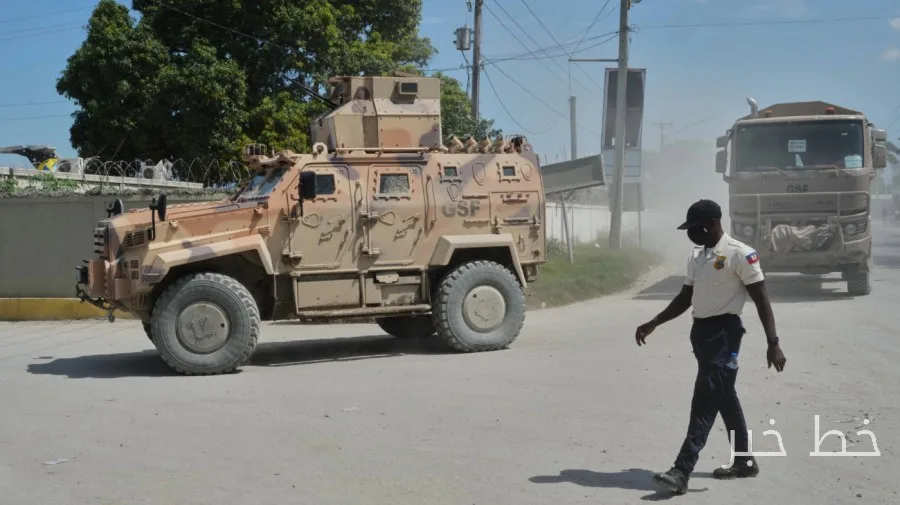
The United States Congress must respond to the needs of the community and establish a formal process for when an emergency crisis turns into a long-term national crisis. While emergency aid is typically provided in response to short-term events, many crises can last longer and require a different approach.
Background of National Crises
In recent years, the United States has faced multiple crises, ranging from natural disasters such as storms and wildfires to public health crises like the COVID-19 pandemic. These crises not only lead to immediate damage but also have long-term consequences that necessitate ongoing action. In many cases, aid and resources are quickly provided at the height of crises, but over time, this support diminishes.
Read more: The Department of Justice Sent Election Day Oversight to All States
The Need for a Formal Process
Developing a formal process for managing long-term crises can help Congress and local governments achieve greater coordination in delivering services and resources. This process could include periodic assessments of the current situation, allocation of resources based on actual needs, and the creation of programs for rehabilitation and reconstruction. For example, during the COVID-19 crisis, many communities are still struggling with the economic and social consequences of this pandemic. Therefore, a systematic and sustainable approach to providing financial and social assistance can make a significant difference in improving people's quality of life.
Moreover, given climate change and the increasing frequency of natural disasters, the need for a long-term accountability structure is more pressing. Congress must recognize that today’s crises cannot simply be resolved with immediate and short-term responses.
Establishing a formal process does not mean that Congress should sit idle during immediate emergencies, but rather that it should have a comprehensive and sustainable strategy for all stages of national crises. This approach can help mitigate the negative impacts of crises and improve communities' capacity to face future challenges.
Read more: Democrats Achieved a Major Victory in the 2026 Midterm Elections · Tommy Thiel: Pete Hegseth Will Face Challenges in Congress