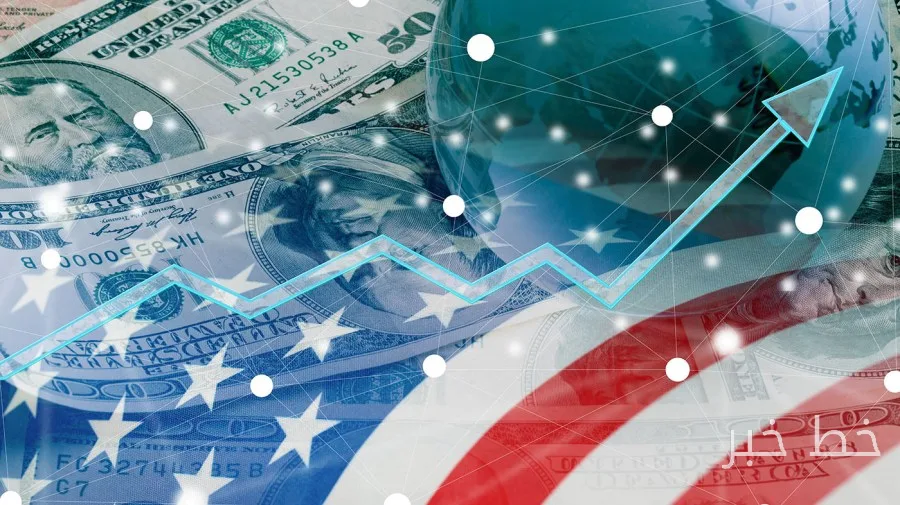
Consumer confidence in the United States was recorded at 48 percent in October, showing a slight decrease from 48.1 percent in September. This information comes from the University of Michigan's consumer survey index. Given the financial pressures from persistent inflation, this situation is not favorable for consumers.
Decrease in Consumer Confidence Compared to Last Year
Consumer confidence has decreased by 10.4 percent compared to last year. This decline may be due to rising living costs and economic uncertainty. Consumers are affected by high prices of goods and services, especially in essential sectors like food and housing.
Read more: Citizens Published Proposals to Reduce National Debt Against Government Waste
Economic Consequences of This Situation
Stability in consumer confidence levels can have significant impacts on the economy. Lower confidence means reduced consumer spending, which can in turn affect economic growth. Additionally, if this trend continues, businesses may also resort to lowering prices to attract more customers.
Economists are concerned that the continuation of this situation may lead to an economic recession. If inflation persists and consumers are unable to make additional expenditures, overall demand in the economy is likely to decrease.
Ultimately, this situation reflects the current challenges for American consumers and the need for greater attention from economic policymakers to provide solutions for improving people's financial conditions.
Read more: Greg Stanton: Republicans Must Understand the Pain of the People · Trump Signed an Executive Order to Reduce Housing and Loan Costs