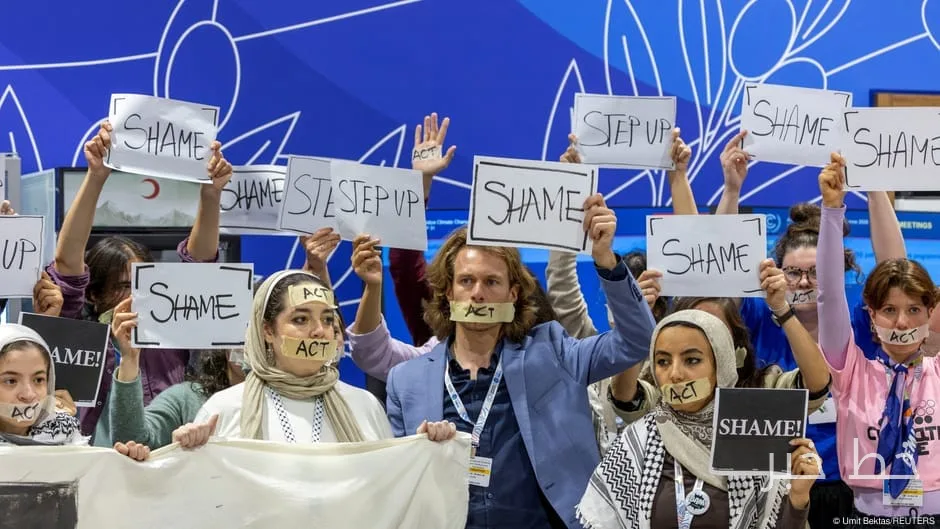
The COP31 climate conference in Antalya, Turkey, has entered its second phase due to a lack of agreement on key issues including fossil fuels and climate financing. Diplomats and representatives from nearly 200 countries have gathered at this summit to discuss climate change and necessary actions to address it.
Negotiation Flow and Financial Challenges
According to experts, the COP31 conference is facing serious challenges due to a lack of agreement on the necessary financing for the transition to clean energy. Harjeet Singh, strategic advisor for the Fill the Fund campaign, emphasized that wealthy European countries and others have come to this summit empty-handed while demanding greater commitments from developing countries.
Singh noted: "COP31 has stalled for a simple reason: money. Wealthy countries have asked developing nations to set higher electricity goals instead of providing financial support." He also pointed to the lack of attention to the demands of developing countries for increased funding for adaptation and loss and damage funds.
Impacts of Climate Change on Developing Countries
African leaders, one of the continents most severely affected by climate change, have been lobbying for years for significant funding to adapt to the increasing impacts of global warming. At the same time, countries are dependent on Africa's natural resources, many of which are used in clean energy production.
While Peru's representative at COP31, Andrés Martín Garrido Sánchez, has warned that this summit is likely to end without a clear agreement on climate financing or reducing fossil fuel use, he cited "geopolitical divisions" as the main obstacle. Garrido Sánchez also identified major oil producers such as Gulf Arab states and Russia as significant opponents.
China has supported a plan proposed by the COP host, Turkey, to increase global electricity demand by 35% by 2035. This plan refers to increasing the use of clean energy and its positive impact on the economy and public health.
Meanwhile, environmental groups have warned about the lack of mention of renewable resources in the draft text, which may imply that natural gas and coal power plants could also be included.
Continuation of Negotiations and Current Status
As negotiations continue in Antalya, hopes for reaching a clear agreement on reducing fossil fuel use and greater commitment to renewable energy have diminished. Developed countries like Germany are pushing for clear commitments to phase out fossil fuels, while poorer countries are demanding more financial support to tackle climate change.
The COP31 conference in Antalya has entered its second phase due to serious challenges regarding financial agreements and geopolitical divisions, and negotiations are still ongoing.
Read more: Climate justice held hostage by great powers



