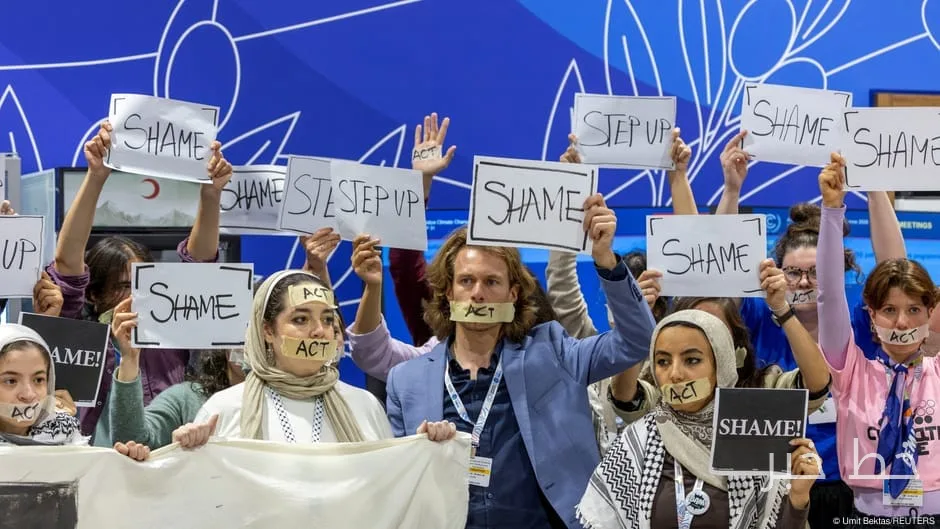
The COP31 climate talks held in the city of Antalya, Turkey, ended after two days of extension due to a lack of agreement among the attending countries. Countries led by the European Union rejected the proposed agreement known as the "Antalya Pact." Critics consider this agreement to undermine efforts to reduce the use of fossil fuels.
Lack of Support from the European Union
The European Union announced that it could not support the proposed agreement as it does not respond to existing science and evidence. Dara O'Brien, Ireland's Climate Minister, who spoke on behalf of the EU, said: "We cannot endorse a decision that does not even mention fossil fuels, which are the main driver of climate change."
He also added that accepting such a decision would be "unacceptable" and could deepen the "gap between global commitments and necessary action." Panama also rejected the agreement, describing it as a step backward in addressing the climate crisis.
Financial Challenges and the Need for Greater Cooperation
The talks also witnessed major disagreements regarding financing. Developing countries accused the EU and wealthy nations of failing to increase the necessary financial resources to help them adapt to climate change. Harjeet Singh from the "Filling the Fund" campaign pressured wealthy countries for demanding more on climate change while preventing necessary financing.
He said: "You cannot ask developing countries to change their economies while they are drowning in natural disasters and debt."
The final agreement, which was not approved, included proposals for further discussion on "an actionable pathway to triple adaptation financing by 2035," but without mentioning any figures. Concerns were also raised about the "gap between climate finance flows and needs."
The COP31 climate talks were held for the first time under conditions where global temperatures are certain to exceed 1.5 degrees Celsius above pre-industrial levels. The countries present at these talks had differing views on how to address this issue.
The final session also pointed out the need to address greenhouse gas emissions in a "deep, rapid, and sustainable" manner and to take actions to reduce methane, a stronger greenhouse gas.



