Cristian Mungiu, the Romanian director, addresses the issue of child protection services in Norway in his new film titled Fjord. This film, which won Mungiu the second Palme d'Or at the 2026 Cannes Film Festival, tells the story of a religious immigrant family facing the challenges of Norway's child protection services. Mungiu has previously tackled social and human issues in his works such as 4 Months, Three Weeks, and Two Days and Graduation.
A Story of Cultural Contrast
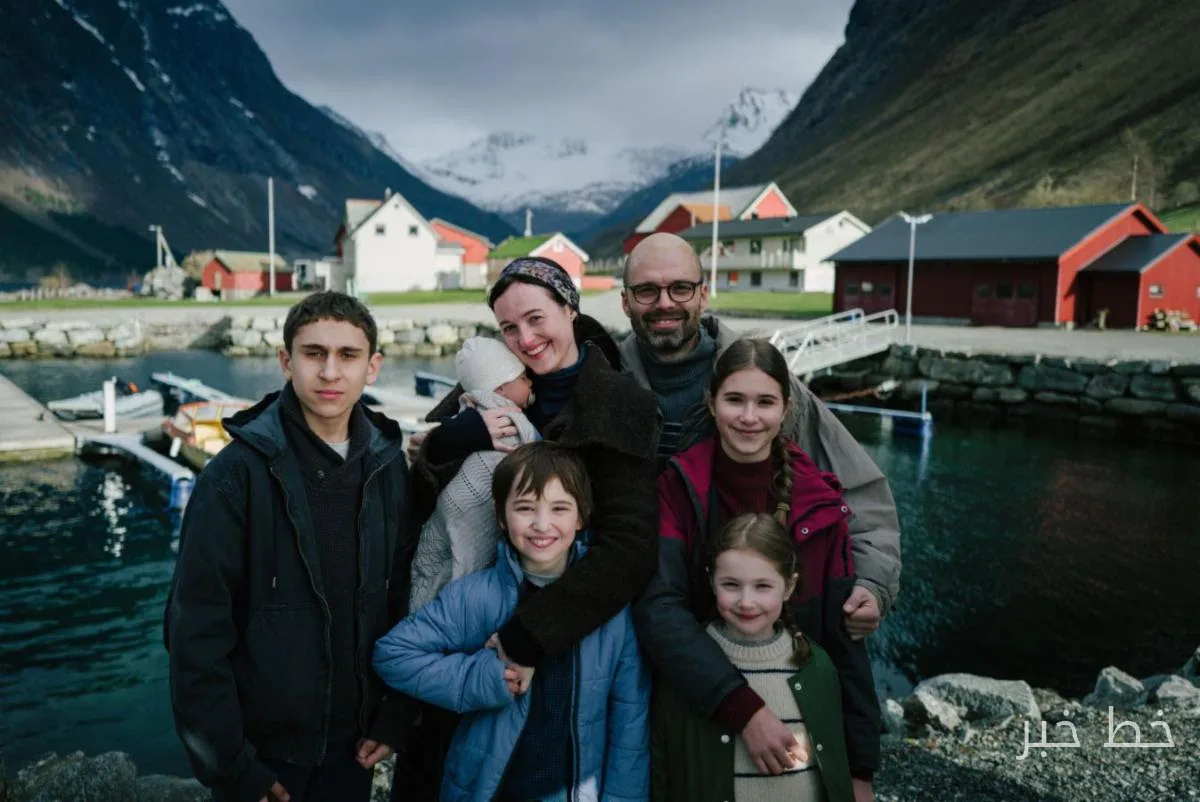
The film Fjord follows Mihai and Lisbeth Gheorghiu, a Romanian engineer and a Norwegian nurse living in Norway with their five children. This couple tries to fit into a free and liberal society but faces many cultural and social challenges. When their children's school investigates allegations of child abuse, tensions in the town escalate. The child protection services (Barnevernet) quickly intervene and separate their children from them.
Read more: The series 'MobLand' faces a new crisis for its main characters
Research for Filmmaking
Mungiu conducted extensive research on Norway's child protection laws and the experiences of families who have faced these issues to write the screenplay for Fjord. He spoke with lawyers, journalists, and representatives of non-governmental organizations to better understand the dimensions of this topic. He also traveled to Norway to familiarize himself with the real conditions of these cases.
The film Fjord shows us how liberal values can lead to problems just like conservative values when human principles such as empathy and respect are ignored. Mungiu aims to demonstrate that today's world, when faced with these contrasts, needs constructive and rational dialogue.
Mungiu, using specific filming techniques and selecting suitable locations, tries to create an atmosphere of tension and disconnection. He believes this approach allows viewers to explore and analyze the story themselves.
Read more: Greg Stanton continues hosting 'The Daily Show' until 2028 · Sacha Baron Cohen faces issues in the film 'Ali G: Who Iz I?'