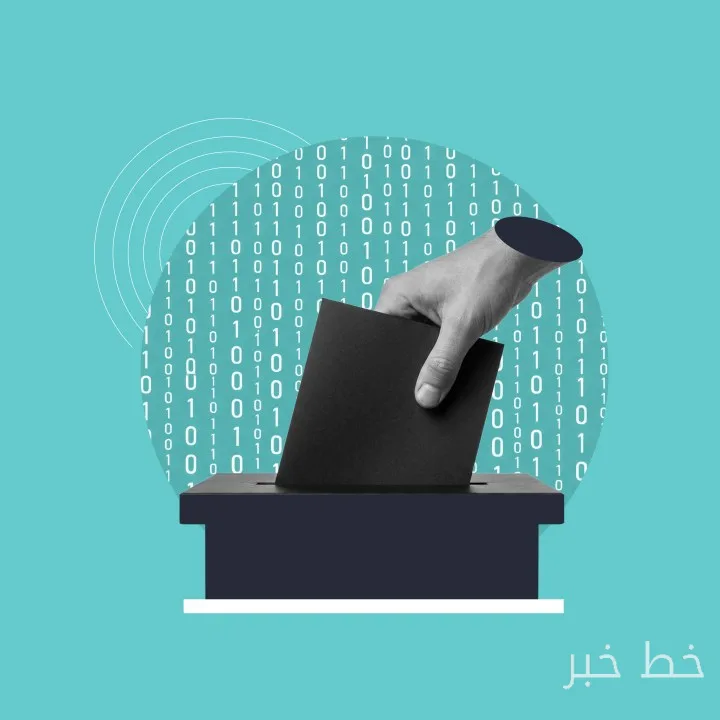
The 2026 elections are approaching, and like any other election cycle, criticisms of poll results have reached their peak. These criticisms are usually heard from individuals who lose in these competitions, and specifically, their dissatisfaction with the accuracy and reliability of these polls is more evident.
Challenges of Polls
Polls, as a tool for predicting election outcomes, have always faced many challenges. In past elections, polls indicated a specific trend, but ultimately the actual results reflected different realities. This leads many candidates and their supporters to view poll results with skepticism.
Some analysts believe that polls are currently unable to accurately reflect public opinion. Various factors such as social changes, lack of participation in polls, and potential biases in question design can affect the results. For this reason, criticisms of these polls are continuously increasing.
Political Consequences of Criticism
Criticism of polls not only affects losing candidates but can also impact the election process. These criticisms may lead to a decrease in public trust in the electoral process as well as in polls. Especially in countries with young democracies, this issue can weaken democratic institutions.
Overall, these criticisms can influence future choices. If candidates do not trust poll results, they may change their strategies or even decide to withdraw from the race. Therefore, it seems that polls will remain a subject of debate and controversy as a key tool in elections.
In conclusion, the 2026 elections will represent new challenges for democracies. These challenges are not only related to poll results but also to deeper issues such as public participation and trust in political institutions.



