Cyber attacks on supermarkets in at least nine EU countries led to the shutdown of refrigeration units and disruption of services on Monday. These attacks are likely a repeat of cyber attacks that occurred on French stores on October 11 and 12. Affected countries include Belgium, Luxembourg, Sweden, Germany, Ireland, the Netherlands, Estonia, Finland, and Romania.
Attacks and Reactions
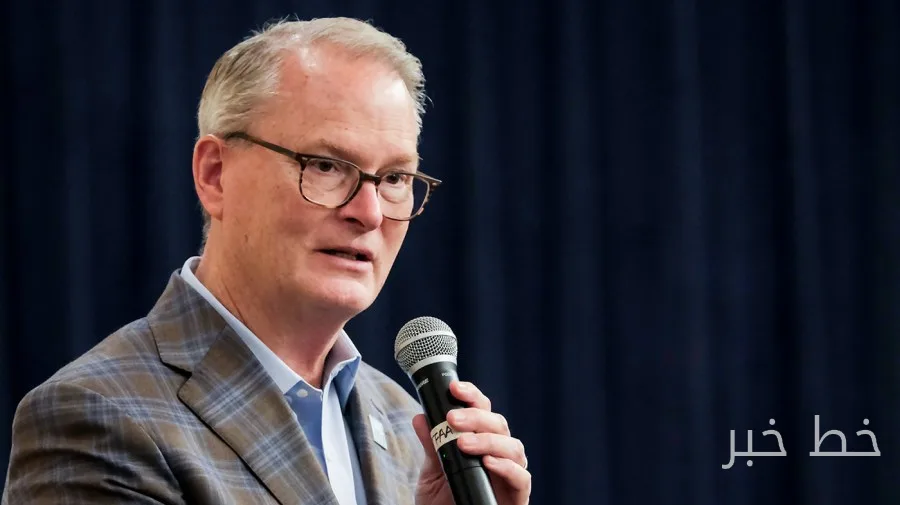
Security officials from the European Commission are investigating these incidents, and the Commissioner for Agriculture and Food, Christoph Hansen, described the attacks as a "deliberate attempt to disrupt the food supply chain." Identifying the perpetrators of such cyber attacks is challenging, and governments often avoid officially attributing them for political and diplomatic reasons. According to a spokesperson for the Belgian Cybersecurity Agency, "It is unclear who is behind this attack, and we may never be able to identify them."
Expert Analysis
However, following these attacks, many analysts suspected one culprit: Moscow. Russia, along with Iran, China, and North Korea, is recognized as one of the four countries that typically launch state-sponsored cyber attacks against Europe. However, experts believe the patterns and objectives of these attacks exclude the other three countries from the list of suspects.
Xavier Belkans, CEO of the cybersecurity firm Lupuys, expressed the opinion that "we strongly believe this activity can be attributed to a Russian state threat actor." Belkans referred to data collected from cyber traps indicating the presence of a "state-sponsored group." He also noted the expertise required to carry out these attacks, stating that this knowledge is "not simple."
The recent cyber attacks may be part of Russia's hybrid warfare campaign that has intensified in recent months. This has led EU capitals to secretly work on plans to respond to a major hybrid attack that could result in the deaths of European citizens.
Consequences and Future Analyses
André Marglati, director of the Center for International Studies, pointed out in an interview that a cyber attack on everyday infrastructure, such as supermarket refrigeration systems, is more than just causing disruption. He said, "An adversary is choosing to demonstrate its ability to disable such systems."
Analysts believe that this type of attack could indicate collaboration between government services and criminal underground networks that have always been observed in Russia. Joseph Rock, a senior executive at the cybersecurity firm Recorded Future, predicted that with increasing geopolitical tensions, he expects more instances of such collaboration or even impersonation as criminals to occur.
Although many supermarket chains reported that only a few of their stores were affected, these attacks have drawn attention and conveyed the message that cyber attackers can target critical services. According to Charles Van Der Walt, head of security research at Orange Cyberdefense, "Cyber attacks do not need to be designed as psychological operations to have cognitive effects."
While indirect evidence may point to Russia, there is currently no definitive evidence indicating that supermarkets have been taken hostage. This is while previous attacks in France were likely related to a disgruntled employee, but it does not make sense for the subsequent attacks on multiple supermarket chains.