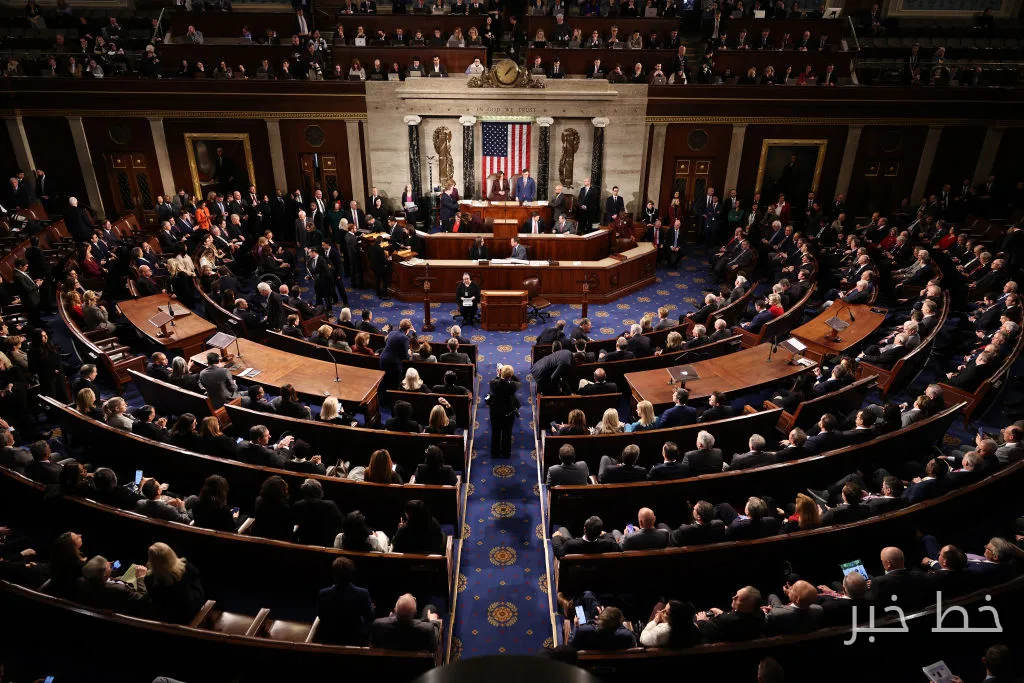
After winning in several key states and securing governorships in the recent elections, Democrats have found a path to abolish the Electoral College. The Electoral College is an electoral body that has previously led to the Democrats' failures in two presidential elections.
How Abolishing the Electoral College is Possible
To achieve this goal, member states of the agreement must collectively obtain at least 270 electoral votes, which is the necessary majority to secure the presidency. Over the past two decades, 18 states led by Democrats and the District of Columbia collectively represent 222 electoral votes, and Democrats are nearing the 270-vote threshold by winning additional states in the midterm elections.
Read more: Mark Kelly: Democrats Will Discuss Changing the Voting Date
The National Popular Vote Interstate Compact is an agreement in which states allocate their electoral votes to the candidate who wins the national popular vote. This action could lead to significant changes in the current electoral system. Currently, almost every state in the United States allocates all its votes to the candidate who receives the most votes in that state.
Consequences of Changing the Electoral System
This “winner-takes-all” method and the inequality between the voting power of states and electoral votes allows a candidate to win the presidency even if they lose the popular vote. This has happened five times in U.S. history, most recently in 2016 when Donald Trump won the Electoral College despite losing the popular vote to Hillary Clinton.
If this agreement is implemented, the national popular vote in presidential elections will be decisive. This change will not only affect the process of electing a president but will fundamentally alter the dynamics of electoral campaigns. With the implementation of this agreement, candidates will focus on all states instead of just swing states.
In the recent midterm elections, Democrats achieved full control (trifectas) in five additional states: Pennsylvania, Michigan, Arizona, Wisconsin, and Nevada. These states collectively account for 61 electoral votes, and if they agree to join this compact, they could easily surpass the 270 electoral vote threshold.
Reports indicate that state officials are examining the necessary mechanisms to advance these changes. This may face legal challenges from Republicans, but some legal experts emphasize that the National Popular Vote Interstate Compact is clearly permissible under the Constitution.
Read more: Democrats Need New Leadership · Poll Shows Negative Opinion of Chuck Schumer is Rising Among Americans



