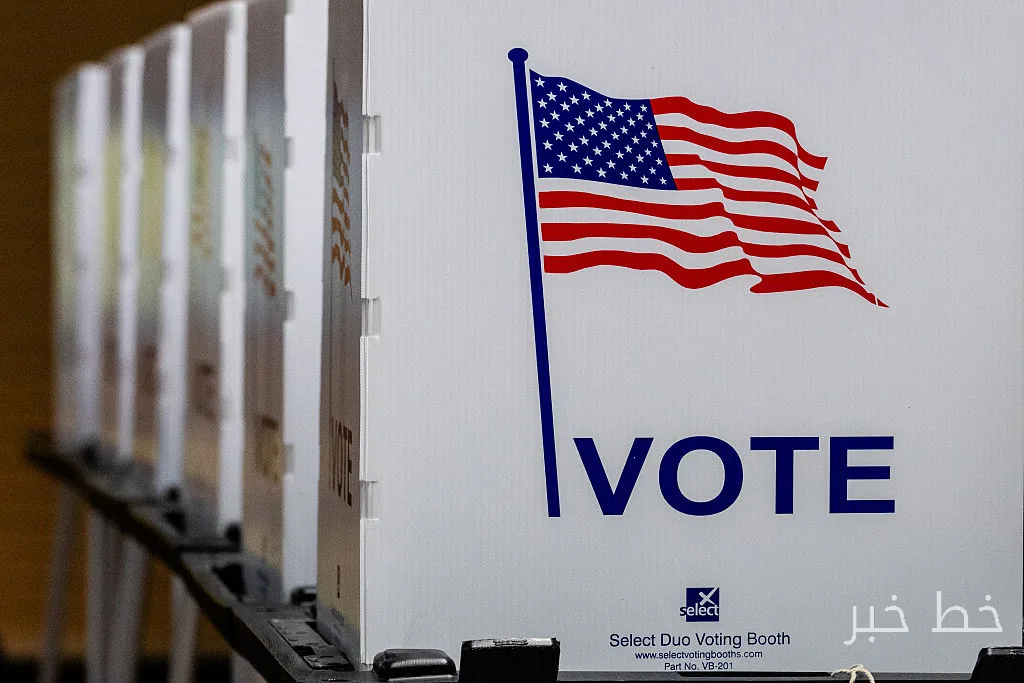
Democrats' victories in the midterm elections may lead to changes in the redistricting wars. In several states, Republicans and Democrats were attempting to redraw congressional maps to their advantage, but this conflict may be diminishing following the blue wave that swept across the country.
Redistricting After the Census
Typically, maps are redrawn every ten years after the release of the U.S. Census results to account for demographic and population changes. However, last year, former President Donald Trump urged his party members to undertake mid-cycle redistricting before the 2026 elections. Several Republican-led states took this action in the following months, while Democratic leaders in other states responded with their own efforts.
Read more: Jean-Luc Mélenchon views Germany as a military threat
Decreased Willingness to Redistrict
Political experts believe that Democrats' widespread victories in the midterm elections may lead to a decreased willingness among Republicans to engage in redistricting. Kostas Pangopoulos, a political science professor at Northeastern University, states that given the recent defeats Republicans faced against the blue wave, the party may be less inclined to pursue redistricting in the future.
In states like Texas, North Carolina, Ohio, Alabama, and Florida, Democratic candidates won in several districts that had shifted in favor of Republicans. These results occurred because Republicans faced significant political challenges, especially when Trump's approval ratings were at historic lows.
Future Outlook on Redistricting
Mark Jones, a political science professor at Rice University, states that Republicans have done nearly everything they could, and now they will face greater challenges in advancing redistricting legislation. At the same time, Democrats, who had engaged in redistricting efforts in recent months, did so as defensive measures and no longer feel the need for such actions following their significant victories in the elections.
However, Pangopoulos notes that the redistricting cycles after the 2030 Census will again become highly competitive, and both parties are expected to continue their efforts to incorporate their political interests into new maps.
Read more: Peter Navarro warned about Democrats' investigations and their implications for Republicans · Carles Puigdemont returns to Barcelona on December 12