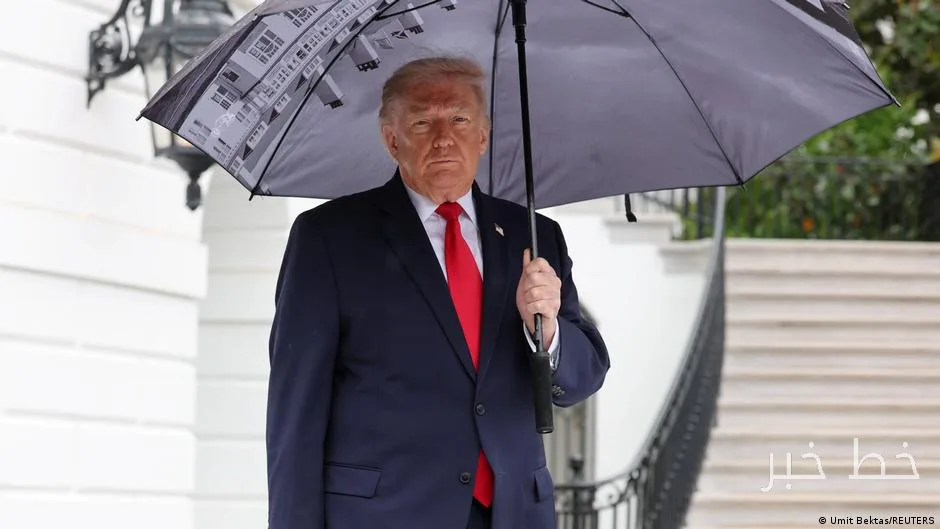
The results of the United States midterm elections show that the Democrats have succeeded in gaining more seats in Congress than the Republicans. These changes will not only affect the internal political structure of the United States but will also have significant consequences for other countries, especially Iran and Ukraine, which depend on U.S. support.
Implications of the Elections for Iran and Ukraine
Mohammad Bagher Ghalibaf, the Speaker of the Iranian Parliament and the country’s chief negotiator in the stalled talks with the United States, interpreted the election results as a sign of American voters' opposition to war in the Middle East. He emphasized in his messages that the American people said no to war and confirmed this message.
Meanwhile, Alice Weidel, co-leader of the German right-wing party (AfD), pointed to the defeat of the Republicans as a result of the consequences of the war in Iran. She also referenced Donald Trump's campaign promises regarding non-intervention in foreign policy, stating that these failed promises have harmed the Republicans.
Historic Changes in Congress
This election also witnessed several historic changes in the composition of Congress. Abdul El-Sayed, with his victory in Michigan, will be recognized as the first Muslim senator in the United States. Additionally, Keisha Lance Bottoms was elected as the first Black woman and the first Black governor of Georgia.
In New Mexico, Deb Haaland became the first Native American woman to hold the governorship, and in Minnesota, Peggy Flanagan was elected as the first Native woman in the Senate. These changes not only signify diversity in U.S. politics but also represent cultural and social changes in the country.
On an international level, China also reacted to these results, stating that the midterm elections are an internal matter for the United States. A spokesperson for the Chinese Foreign Ministry expressed hope that the two countries could cooperate in implementing previous agreements and appropriately manage their differences.
In Moscow, Sergei Ryabkov, Deputy Foreign Minister of Russia, strongly referred to the Democrats' negative approach in relations with Russia, stating that these results will not affect Russia's position regarding Ukraine. He emphasized that Russia's foreign policy is based on stable principles and not on political fluctuations in other countries.