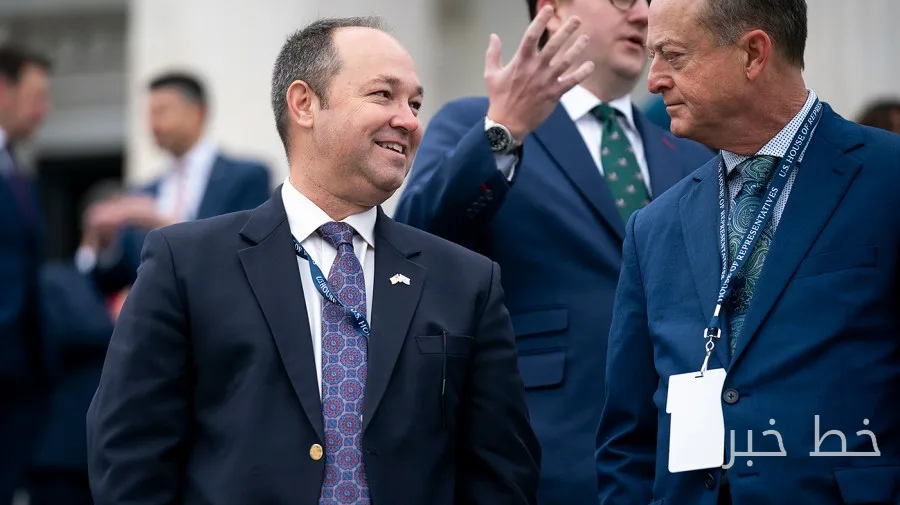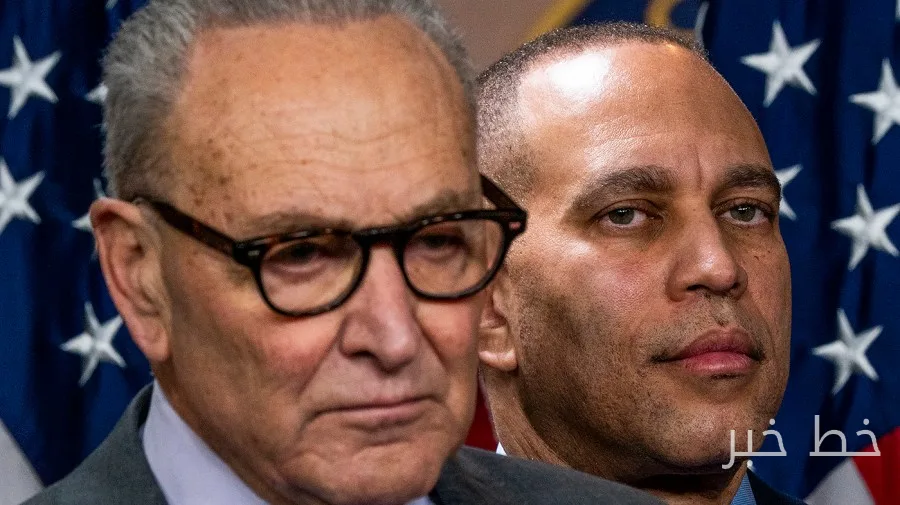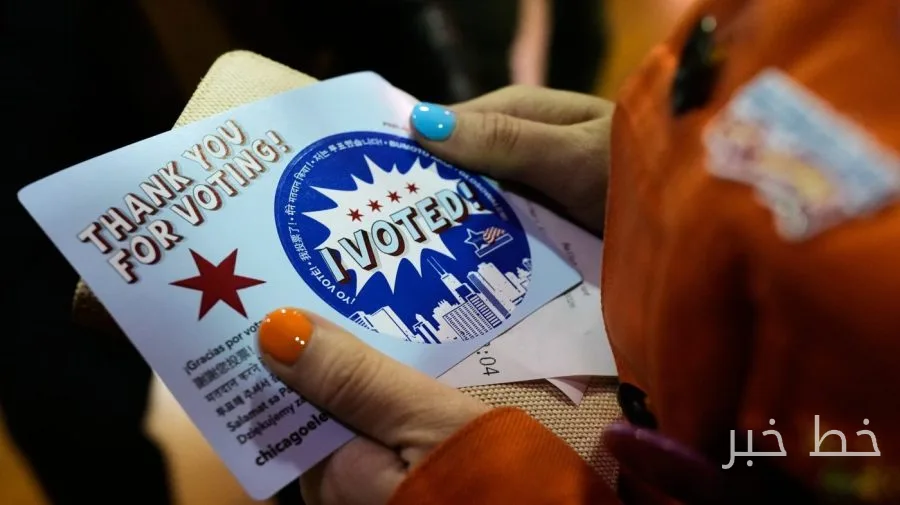
The midterm elections, as an important event in U.S. politics, once again demonstrated that demographic changes can have a profound impact on political outcomes. The victory of the Democrats in this election was particularly due to demographic shifts that have occurred since Donald Trump was elected President and Kamala Harris lost in the previous election.
Key Changes in the Population
Analyses show that several key demographic groups have shifted towards the Democrats. Collectively, these changes represent a decisive rejection of Trump and the Republicans in the elections. Young groups, minorities, and women have played a particularly important role in these changes. These shifts indicate a cultural and social change in American society that may continue in the future.
Read more: The Progressive Group Calls for Change in Democratic Senate Leadership
Political Implications
The victory of the Democrats not only reflects dissatisfaction with the previous administration but also indicates a deeper change in voters' attitudes towards social and economic issues. As younger and more diverse populations gradually make up a larger share of voters, Democrats must pay special attention to these changes and adjust their policies based on the needs and concerns of these groups.
Moreover, this election could signify a turning point in the future policies of the Democrats. Leaders of this party need to better understand these demographic changes to plan for maintaining and expanding their bases. Otherwise, they may face greater challenges in future elections.
Read more: John Cornyn Reports on Republicans' Forgetfulness in Victory · Nitira Raman Elected as the New Mayor of Los Angeles