Diplomatic movements between Iran and the United States, despite keeping communication channels open, have yet to untangle the negotiations. Disagreements over lifting the maritime blockade, releasing Iran's assets, and obtaining security guarantees, against Washington's insistence on starting nuclear talks, remain the main obstacles to an agreement. Meanwhile, Tehran and Washington are trying to strengthen their bargaining positions by leveraging time and political and economic pressures. It seems that diplomacy, for now, serves more as a tool for crisis management and preventing escalation rather than paving the way for an agreement.
Diplomatic Visits and Current Status
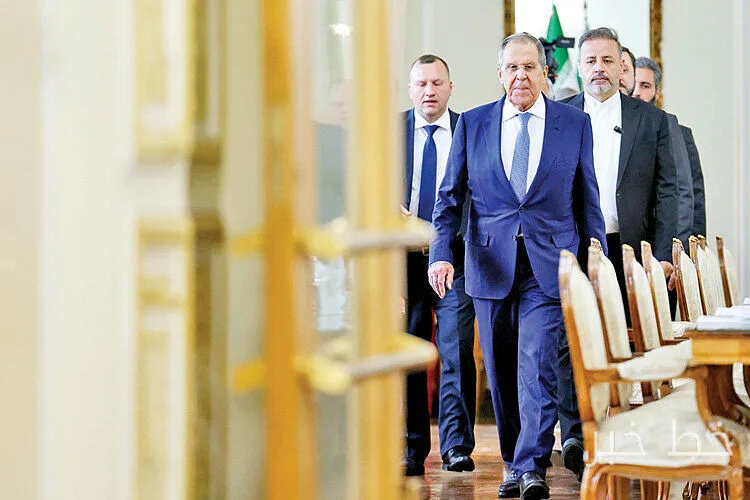
The recent diplomatic activities surrounding Iran cannot simply be seen as a sign of Tehran and Washington moving closer to a new agreement. The visit of the Russian Foreign Minister to Tehran and the presence of the Pakistani Army Chief in the Iranian capital, alongside statements from Trump and Vladimir Putin's meeting with Steve Witkoff, present a more complex picture of the current situation: diplomacy remains active, but the gap between the active negotiation channels and the formation of a stable agreement appears significant.
Lavrov's visit to Tehran occurred at a time when the U.S. and Israel's war against Iran has turned regional security, especially the situation in the Strait of Hormuz, into one of the main focal points of conflict. At the same time, Munir's visit indicates that Pakistan is still trying to maintain its role as a mediator. However, the multiplicity of mediators does not necessarily mean that the positions of the parties are converging. Tehran continues to emphasize lifting the maritime blockade and obtaining guarantees against further attacks, while Washington seeks to initiate nuclear talks without conditioning them on resolving the disputes in the Strait of Hormuz.
Crisis Management and the Costs of Non-Agreement
The potential achievements of recent visits should be sought more in preventing the complete closure of the diplomatic window and maintaining the possibility of communication in crisis conditions than in resolving disputes. Putin's statements during his meeting with Witkoff in Moscow add another dimension to this equation. While still engaged in the war in Ukraine, Moscow has expressed its readiness to help resolve the disputes between Iran and the U.S. Such a position could provide Tehran with an opportunity to expand its diplomatic options.
Ultimately, the existing signs indicate more of an effort by both sides to manage the risks rather than a resolution of the deadlock. Neither side appears willing to bear the costs of a protracted war without a clear outlook; however, this consideration has not yet translated into sufficient readiness for compromise. The true measure of diplomatic success is a change in the calculations and demands of the parties involved.