The COP31 climate negotiations, held under the auspices of the United Nations, ultimately failed to reach an agreement among participating countries regarding fossil fuel regulations. This failure occurred amidst heated discussions and severe tensions among various countries, especially major fossil fuel producers and those seeking to reduce carbon emissions.
UN Secretary-General's Expression of Disappointment
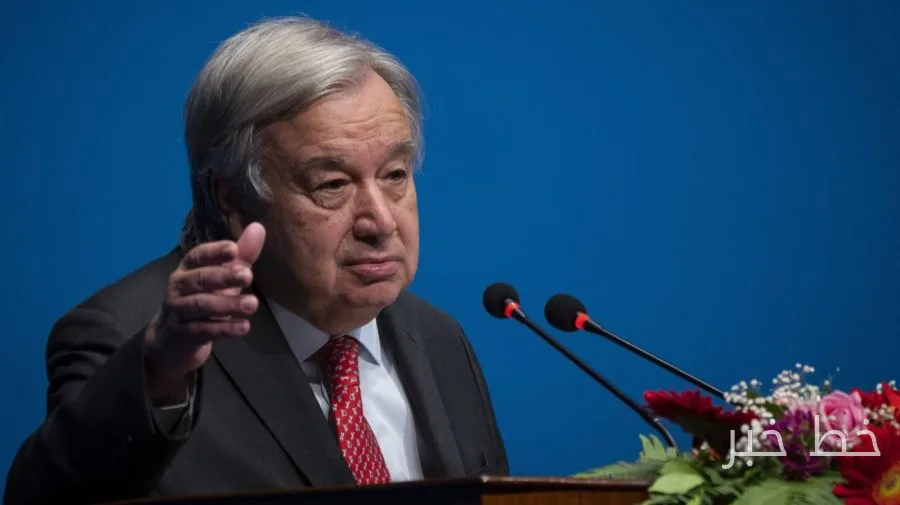
Antonio Guterres, the UN Secretary-General, stated in a press release following the conclusion of the meeting that he is deeply disappointed by the lack of a comprehensive outcome in the negotiations. He said, "I am deeply disappointed that COP31 ended without consensus on an overall outcome." These remarks reflect serious concerns about the ongoing climate change process and its impacts on various communities.
Read more: The Minister of Environment of Uganda emphasized the necessity of a just transition at COP31
Challenges and Tensions in Negotiations
The COP31 negotiations faced numerous challenges, particularly regarding fossil fuels. Countries such as Saudi Arabia and the United States, as the largest oil producers, resisted pressure from nations advocating for reduced fossil fuel consumption. These tensions led many country representatives to fail to reach an agreement, resulting in a deadlock in the negotiations.
This situation indicates that while the world is moving towards reducing dependence on fossil fuels, some countries continue to emphasize the production of these resources. This issue could directly impact the future of climate negotiations and cast a shadow over global policies regarding climate change.
Consequences of the Disagreement
The failure to reach an agreement at COP31 could have serious implications for global efforts to combat climate change. Experts warn that continuing this trend could lead to rising temperatures and negative impacts on the environment and people's lives. While many countries are seeking sustainable solutions and reducing carbon emissions, the lack of agreement in these negotiations could undermine these efforts.
The Future of Climate Negotiations
Given the recent failure, the future of climate negotiations will face even more challenges. Different countries must strive to reach effective and sustainable agreements regarding climate change. This requires closer cooperation between developed and developing countries to achieve a common approach to environmental protection and mitigate the negative effects of climate change.
Read more: A California man was found guilty of starting a deadly fire in the Palisades fire · The UN considers budget shortages and humanitarian aid a threat to the reconstruction of Syria



