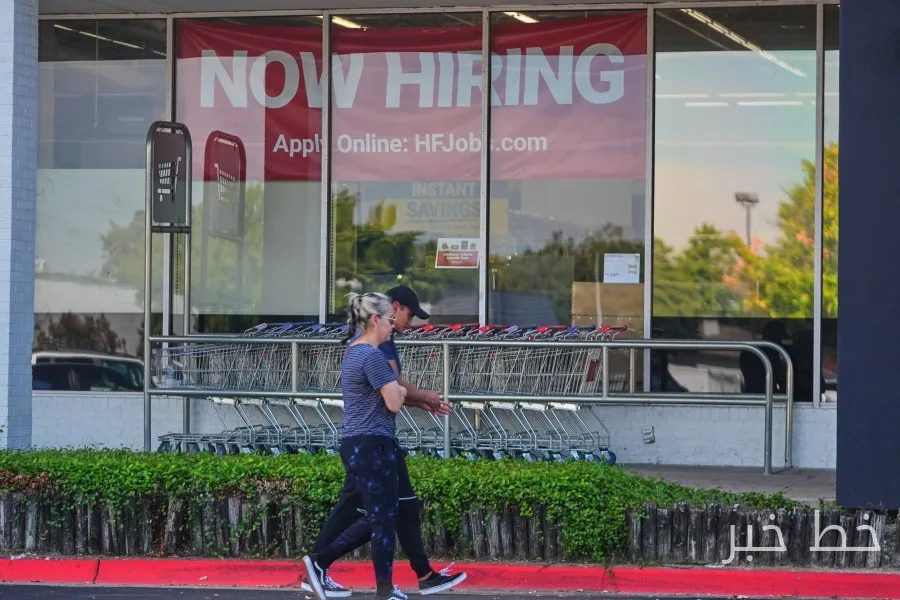
The U.S. economy is currently experiencing improvements, but this progress is not equally noticeable for everyone. While some sectors and groups benefit from this improvement, others continue to face economic challenges. This disparity in economic conditions can lead to social and economic inequalities.
Analysis of the Economic Situation
The economic situation in the United States is typically assessed based on various statistics such as GDP, unemployment rate, and inflation rate. These statistics can present a different picture of the economic reality. For example, while GDP may indicate growth, the unemployment rate may reflect economic problems in certain regions or specific groups.
Read more: Top Companies for Future Leaders in 2027 Announced
Impact on Different Social Classes
Despite the overall improvement in the economy, some segments of society still face serious issues such as unemployment, declining wages, and rising living costs. This situation is particularly felt among individuals working in informal or low-income jobs. As a result, these individuals do not benefit from the improved economic conditions.
Moreover, racial and economic disparities also play a significant role in this process. Some racial and social groups, due to a history of inequalities and discrimination, still face greater economic challenges. These issues not only affect their quality of life but can also negatively impact their job and economic opportunities.
Future Consequences
Although the U.S. economy is moving towards improvement, existing inequalities could turn into more serious challenges in the future. To achieve sustainable and inclusive growth, policymakers need to pay attention to these inequalities and take actions to improve the economic conditions of vulnerable groups.
Ultimately, a proper understanding of the economic situation and existing challenges is essential for everyone. This understanding helps policymakers make better decisions and make improvements possible for all members of society.



