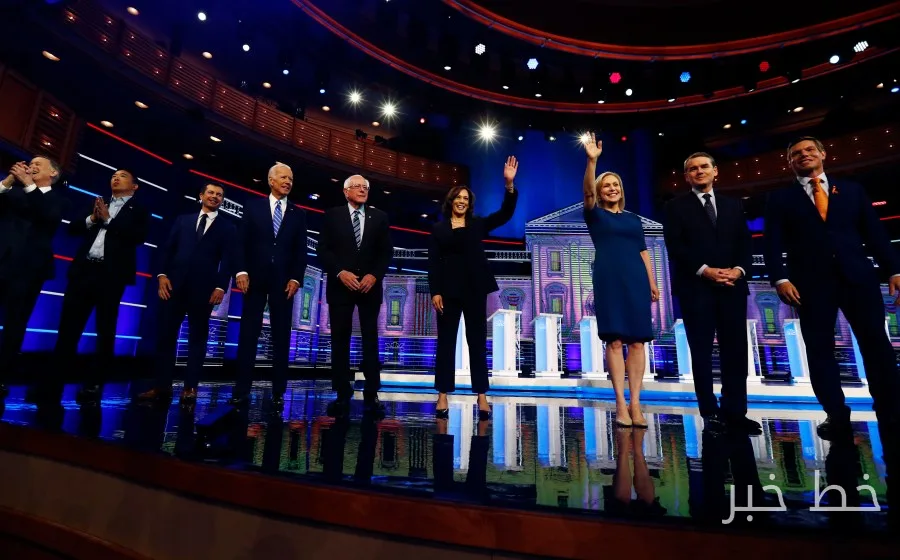
The Democratic National Committee (DNC) debate schedule has recently been announced and includes 12 debates. This program is conditional on the candidates' commitment to not accept financial contributions from anonymous sources or 'dark money'. This action aims to clarify financial sources in elections and prevent the influence of undisclosed funds in the political process.
Debate Details
According to this schedule, candidates must adhere to a commitment not to accept financial assistance from anonymous sources or 'dark money' to participate in these debates. This decision reflects the DNC's determination to tackle the challenges posed by the negative impacts of undisclosed funds in elections. These debates are seen as an opportunity for candidates to express their views and plans to voters.
Read more: Warren Holen says the competition for majority leadership is still open
Consequences of This Decision
The decision to impose conditions on candidates could have profound effects on the electoral process. This condition may benefit candidates who rely on transparent and reliable financial sources. Additionally, this action may encourage voters to participate in elections and increase public engagement. At the same time, some candidates may face greater challenges in attracting financial resources.
Ultimately, this DNC decision could be seen as an important step towards strengthening the electoral system and increasing public trust in the political process. Given the growing concerns about the role of money in politics, this program could lead to positive changes in the political behavior of candidates and voters.
Read more: Senator-elect Scott Clem responds to Trump's praise of his campaign strategy · Trump announces his support for Hakim Jeffries against Steven Millar